
Case
Replacing Guidelines in a Hard-to-Reach Location
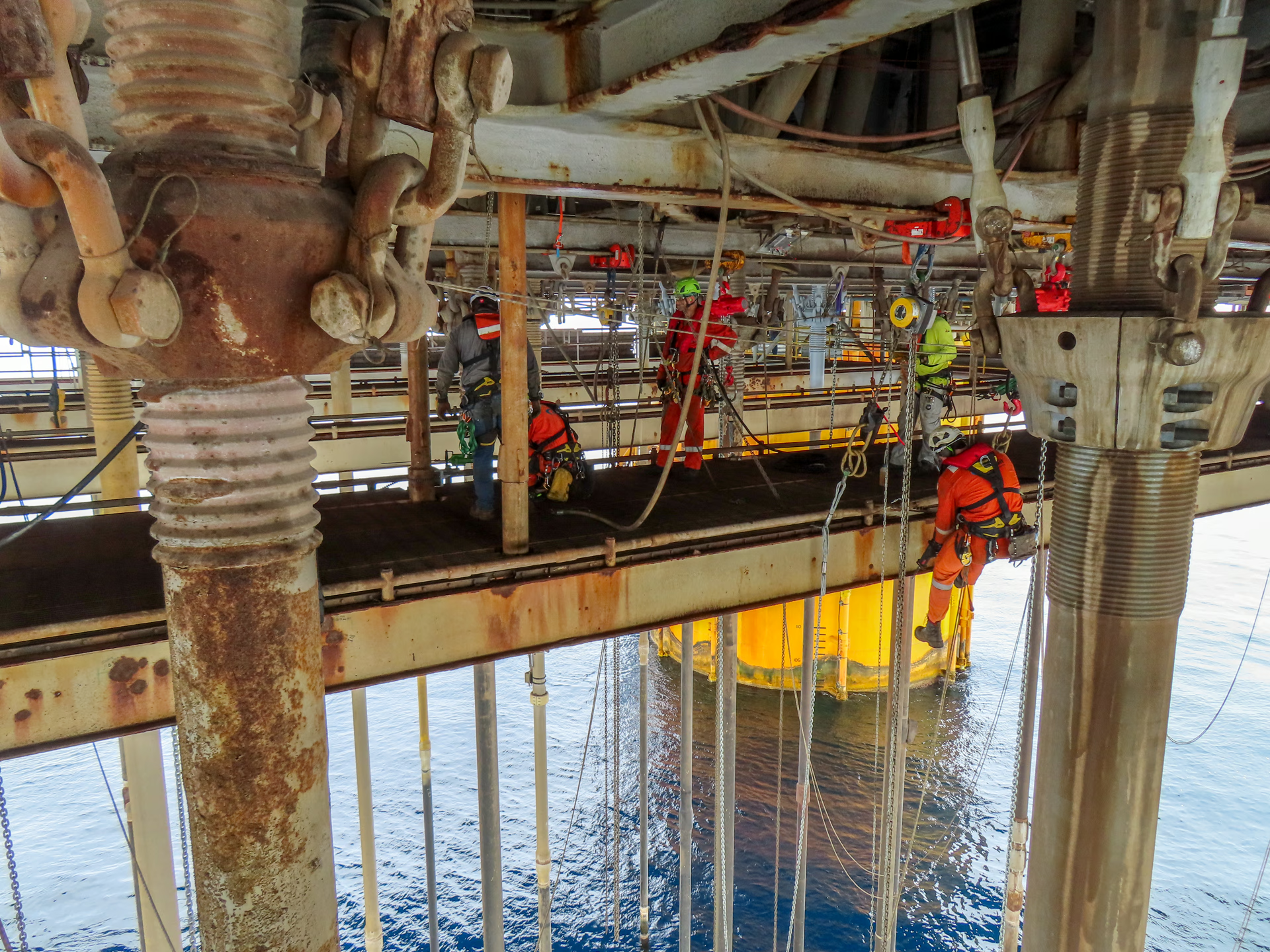
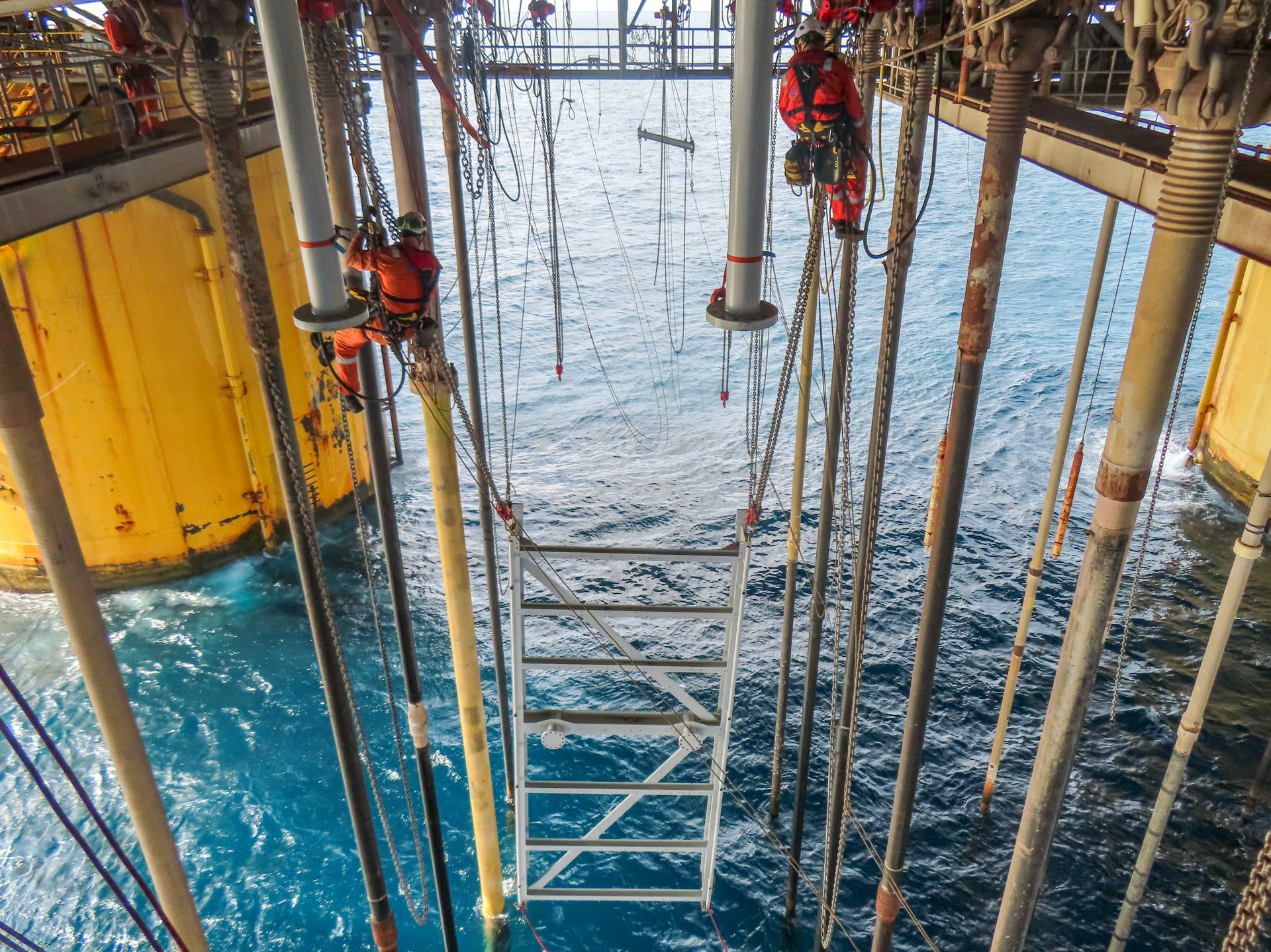
When three deteriorated guidelines beneath the Mars Tension Leg Platform (TLP) required replacement, conventional access and lifting methods were not an option. Conbit developed a rope access and mechanical lifting solution that allowed the existing guidelines to be removed and new sections installed safely beneath the platform.
The Challenge
The Mars platform is a Tension Leg Platform, floating above the seabed and secured by tensioned tendons. The existing guidelines beneath the platform had deteriorated due to corrosion, making replacement necessary.
Three of the five guidelines required replacement. Their position beneath the platform presented a significant access challenge, as there was no conventional access to the work area. A site visit was therefore carried out by Conbit rope access technicians to assess the situation and determine a suitable execution methodology.
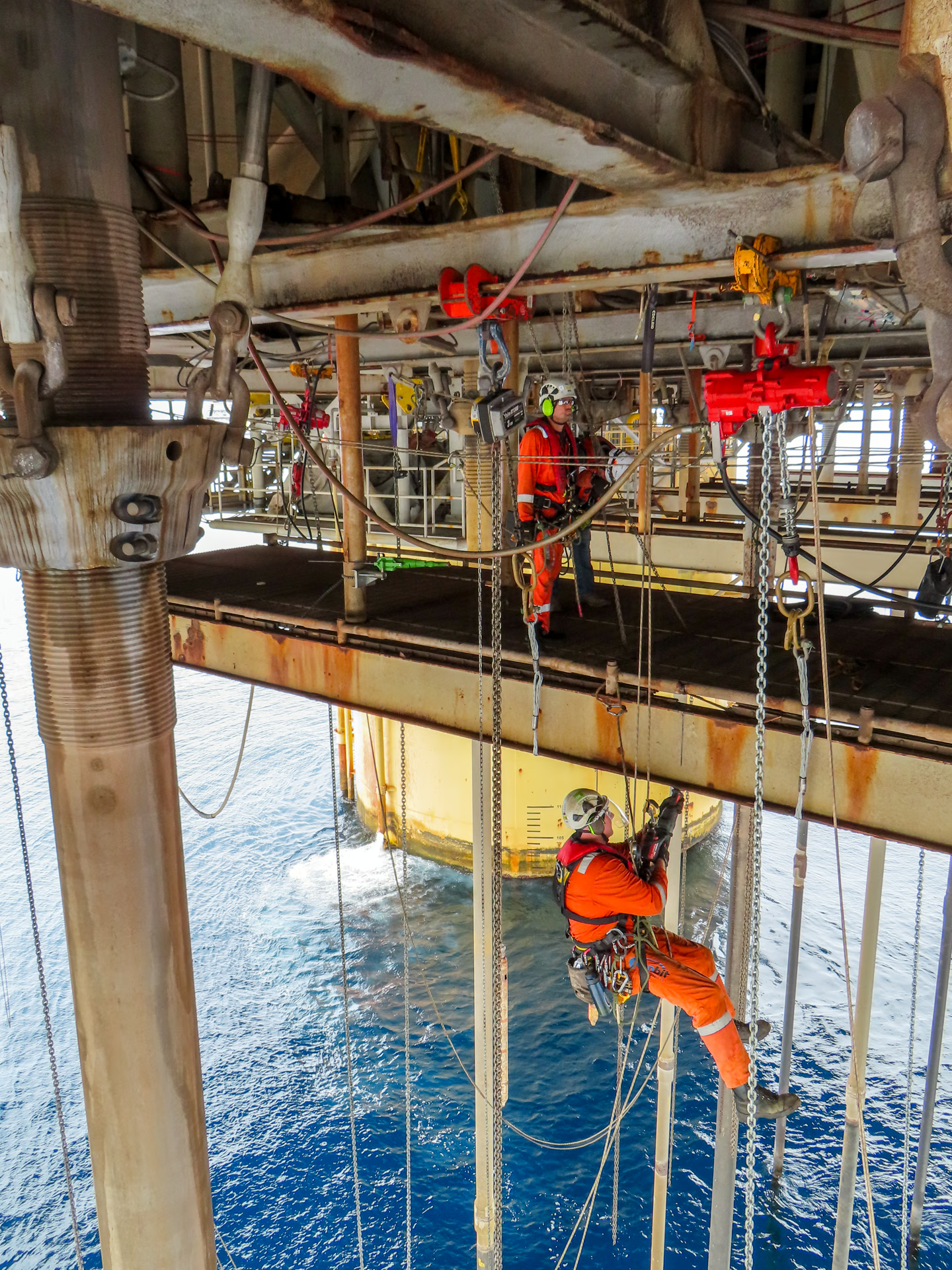
The project also had to be completed with a compact team of four, supported by GIS personnel. Working from ropes and cutting the existing guidelines into manageable sections required careful planning and precise execution.
Watch how we prepare and execute
Watch how we prepare and execute
The Conbit Solution
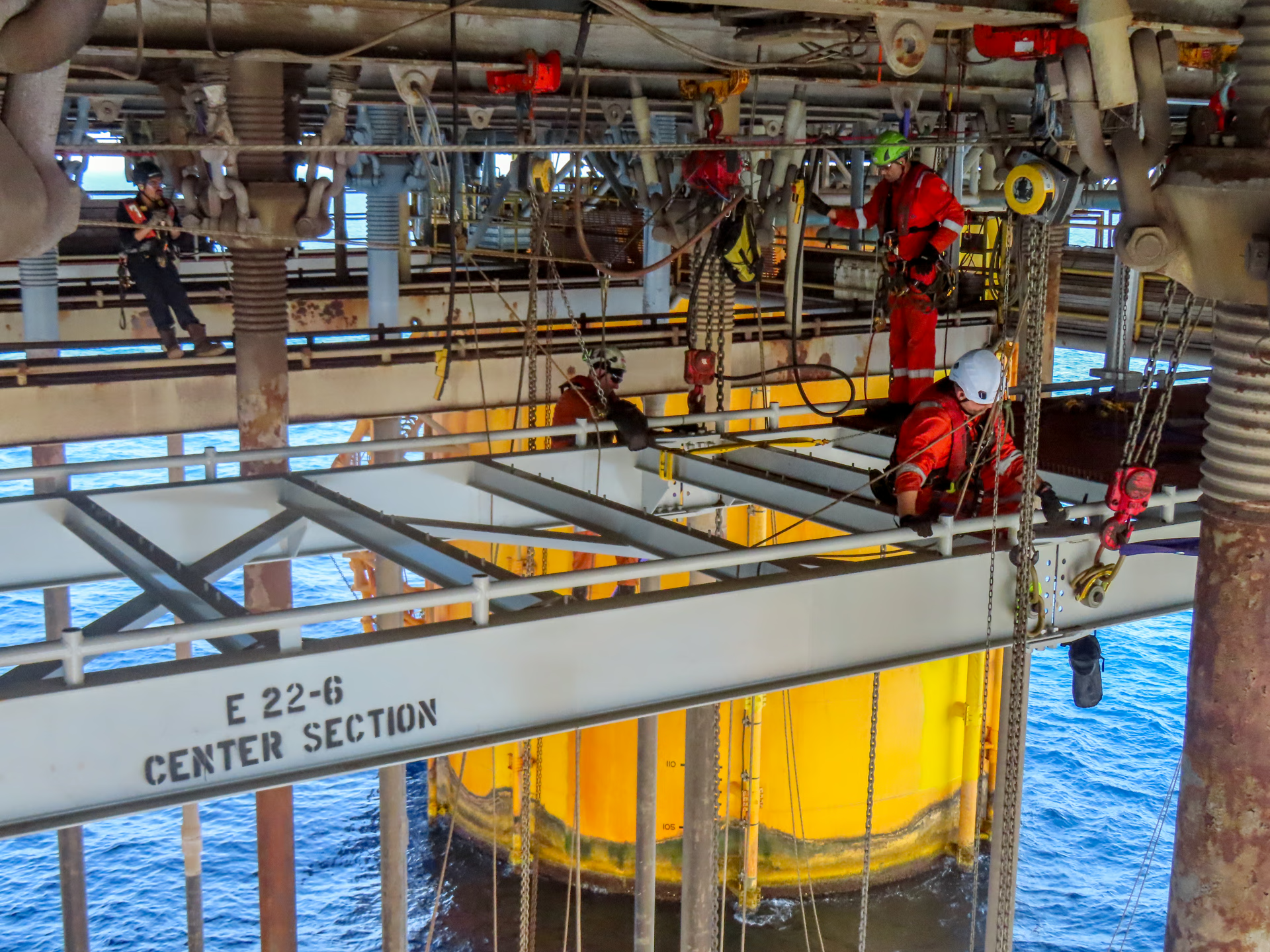
Conbit combined rope access with engineered lifting techniques to create a controlled method for removing and installing the guidelines.
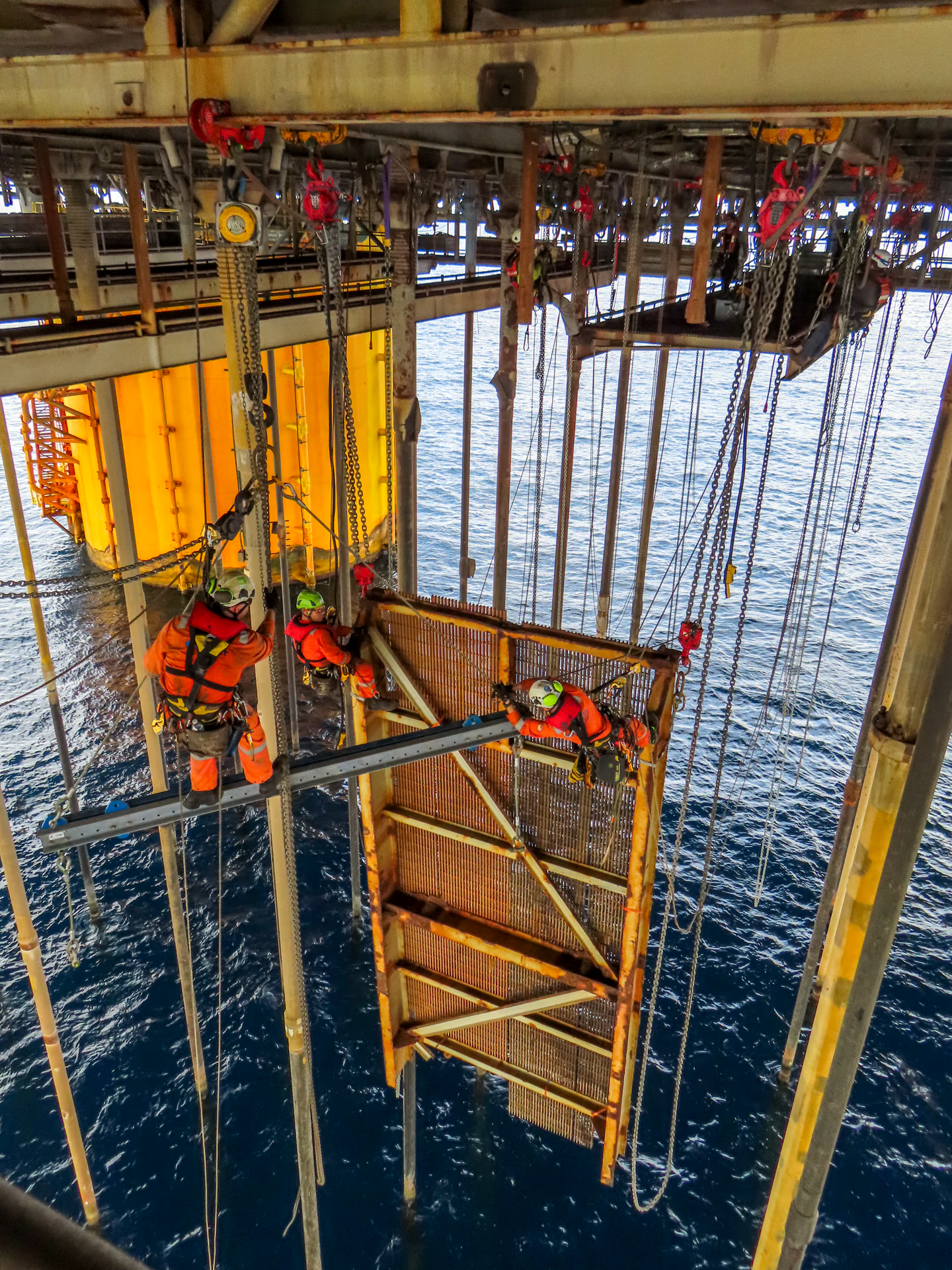
Temporary lift points were created beneath the platform, allowing each existing guideline to be divided into three sections. Beam clamps, beam trolleys, chain hoists and air hoists were then used to manoeuvre the sections towards the platform crane.
The new guidelines were installed using the same principle, with each guideline divided into three sections for controlled handling and installation.
Optimising the Method During Execution
The first guideline provided valuable insight into how the operation could be made more efficient. After completing the initial replacement, the Conbit team identified a shorter route for moving the guideline sections to crane reach.
The platform's moon pool, an opening extending through the platform, provided a direct route from beneath the platform to the platform level. By using the moon pool to move the sections towards the laydown area, the team significantly reduced the amount of manual handling and the distance the components had to be moved.
This adjustment saved both time and physical effort during the remaining replacements.
The Result
Three guidelines were successfully replaced beneath the Mars TLP using a combination of rope access, mechanical lifting equipment and the platform crane.
The project demonstrated how careful preparation, compact lifting equipment and an adaptable execution strategy can provide an effective solution for complex work in areas where conventional access is not available.
See how we got to work
No items found.
PRoject case study pdf
Download the PDF of this project case study here.
Thanks for leaving your email address. You can now download the requested case study
Oops! Something went wrong while submitting the form.
No items found.
Related Cases
Related Services
Maritime
Oil & Gas
Petrochemical
Wind
Lifeboat Davit Installation Services
Onshore & Offshore
Oil & Gas
Petrochemical
Wind
Maritime
Living Quarter Installation Services
Onshore & Offshore
Oil & Gas
Petrochemical
Wind
Maritime
Caisson Replacement Services
Onshore & Offshore
Maritime
Oil & Gas
Petrochemical
Crane Replacement Services
Onshore & Offshore
Oil & Gas
Petrochemical
Flare Tip Replacement Services
Onshore & Offshore
Maritime
Wind
Oil & Gas
Inspections
Onshore & Offshore
Oil & Gas
Petrochemical
Wind
Modification
Onshore & Offshore
Oil & Gas
Petrochemical
Wind
Maintenance
Onshore & Offshore
Oil & Gas
Wind
Petrochemical
Maritime
Installation
Onshore & Offshore
Oil & Gas
Petrochemical
Decommissioning
Onshore & Offshore

.avif)
Contact
We're here to answer your questions
Do you have any technical questions, general enquiries or do you need additional information? Don’t hesitate to contact our experts. With their expertise and experience in lifting services, they will gladly help you.
You can contact us by phone or email. We’re looking forward to your questions!
You can contact us by phone or email. We’re looking forward to your questions!

