
Case
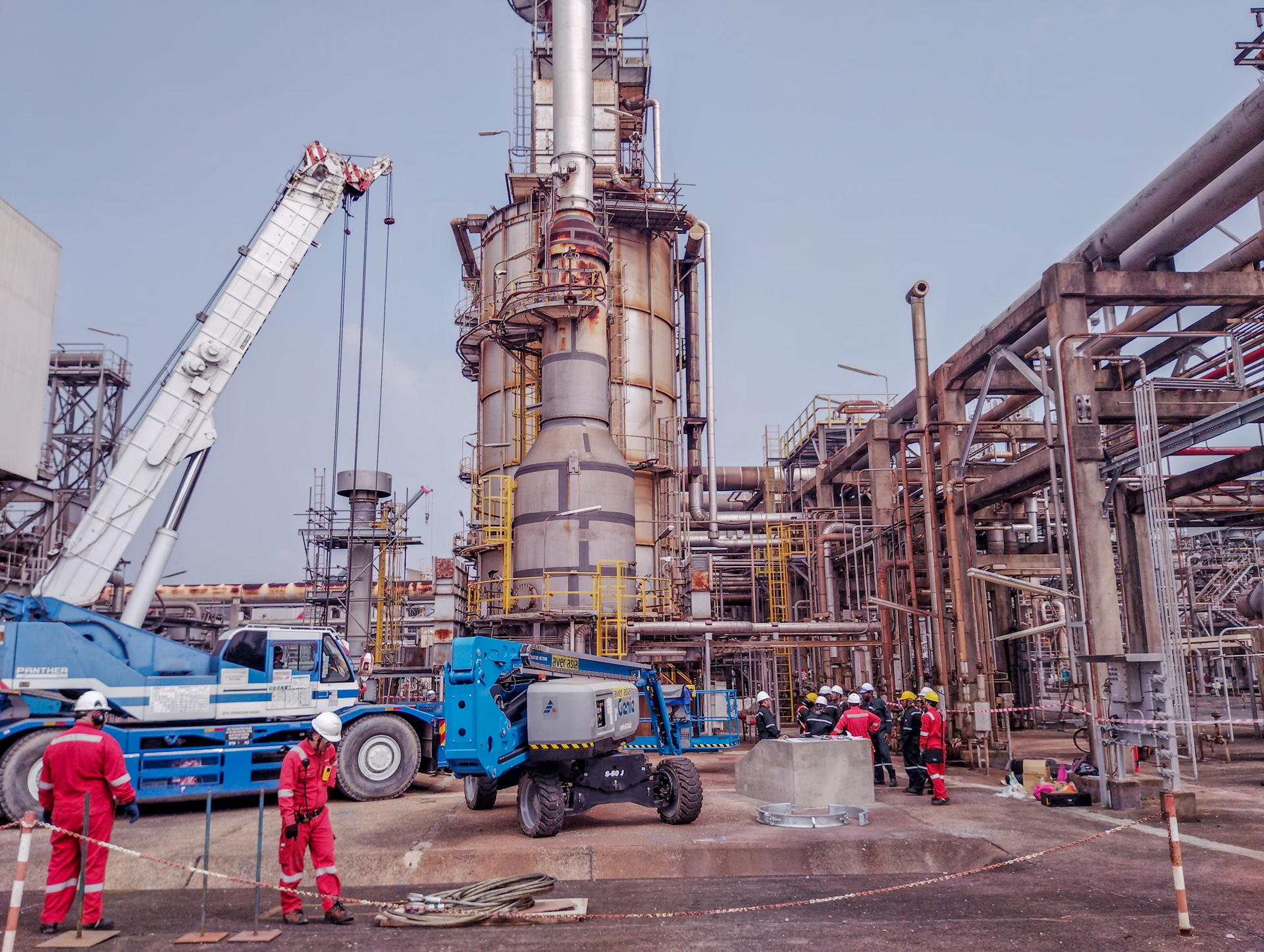
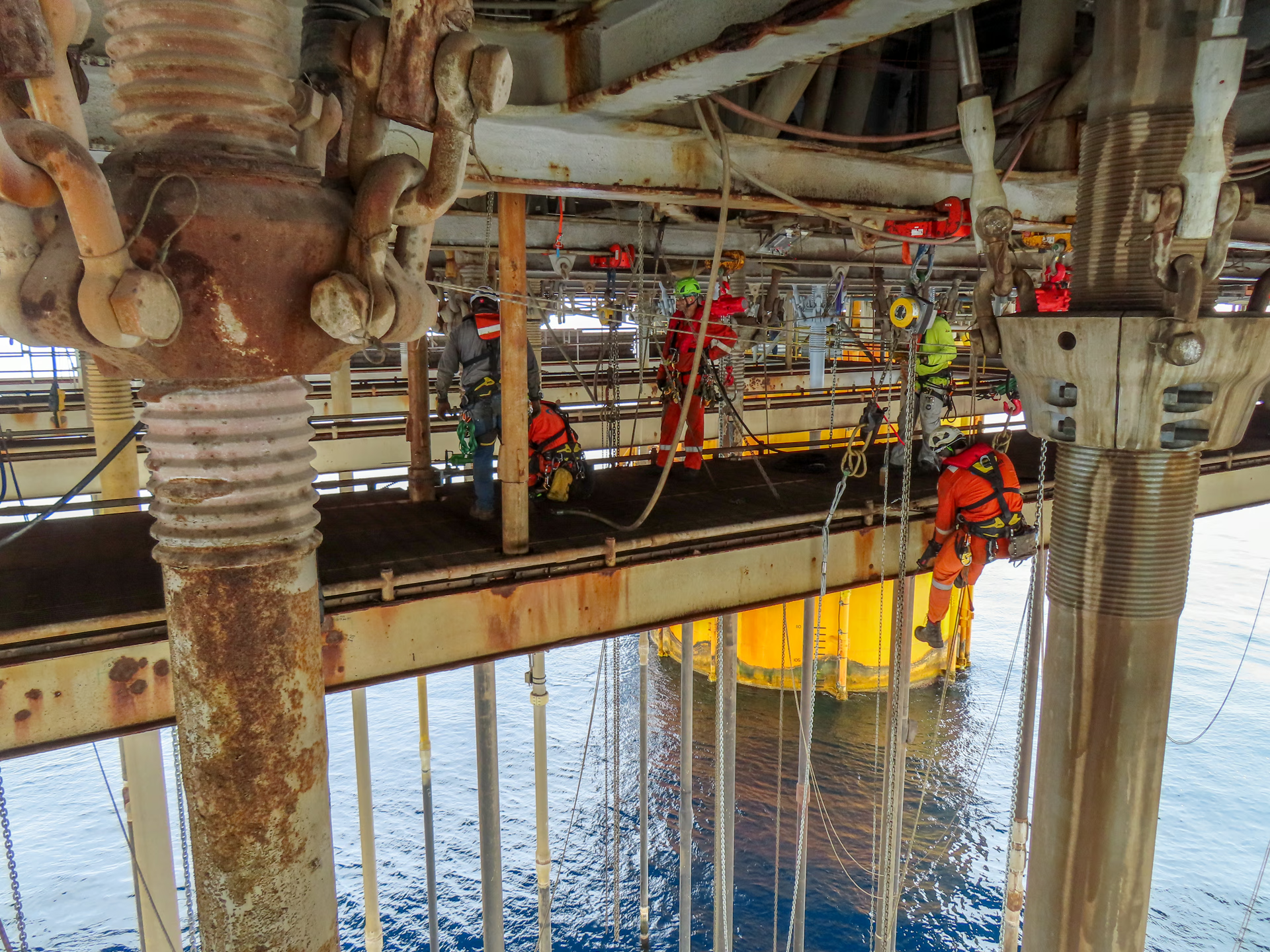
Conbit engineered a tensioning support system for Stack A-8103 to reduce structural movement associated with fatigue cracks. The solution combined a clamping system, tensioned guy wires, and anchor blocks to provide additional support while accommodating ongoing plant operations.
Project at a Glance
Project: Stack A-8103 Stabilisation
Service: Engineering and tensioning support system
Challenge: Reduce stack movement associated with fatigue cracks.
Solution: A tensioning system comprising a stack clamp, guy wires, and anchor blocks.
Client: Shell
Key Result: Successful implementation of the support system and positive client feedback on Conbit's contribution and project coordination.
The Challenge
Fatigue cracks in Stack A-8103 highlighted the need for a solution to reduce stack movement and improve structural stability. Conbit was commissioned to assess the situation and engineer a robust tensioning support system that could be implemented safely while allowing the plant to remain operational.
The project required a solution tailored to the existing site conditions, with careful consideration for personnel safety, installation requirements, and minimal disruption to ongoing operations.
Preparing the system for execution also required close coordination between multiple companies responsible for engineering and supplying the various components. Changes to the client's requirements resulted in several revisions to the engineering documentation, making flexibility and effective collaboration essential throughout the preparation phase.
Watch how we prepare and execute
Watch how we prepare and execute
The Solution
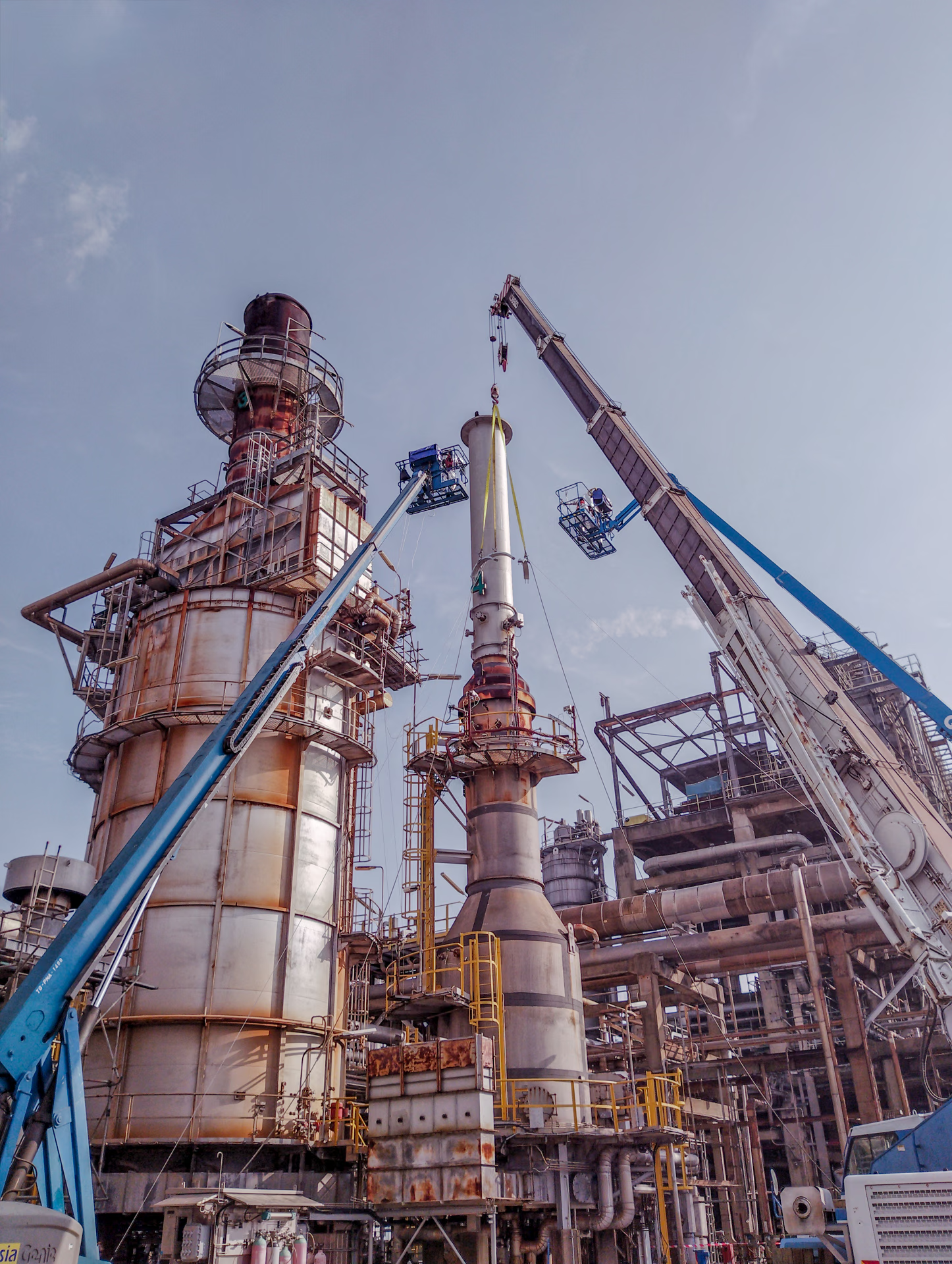
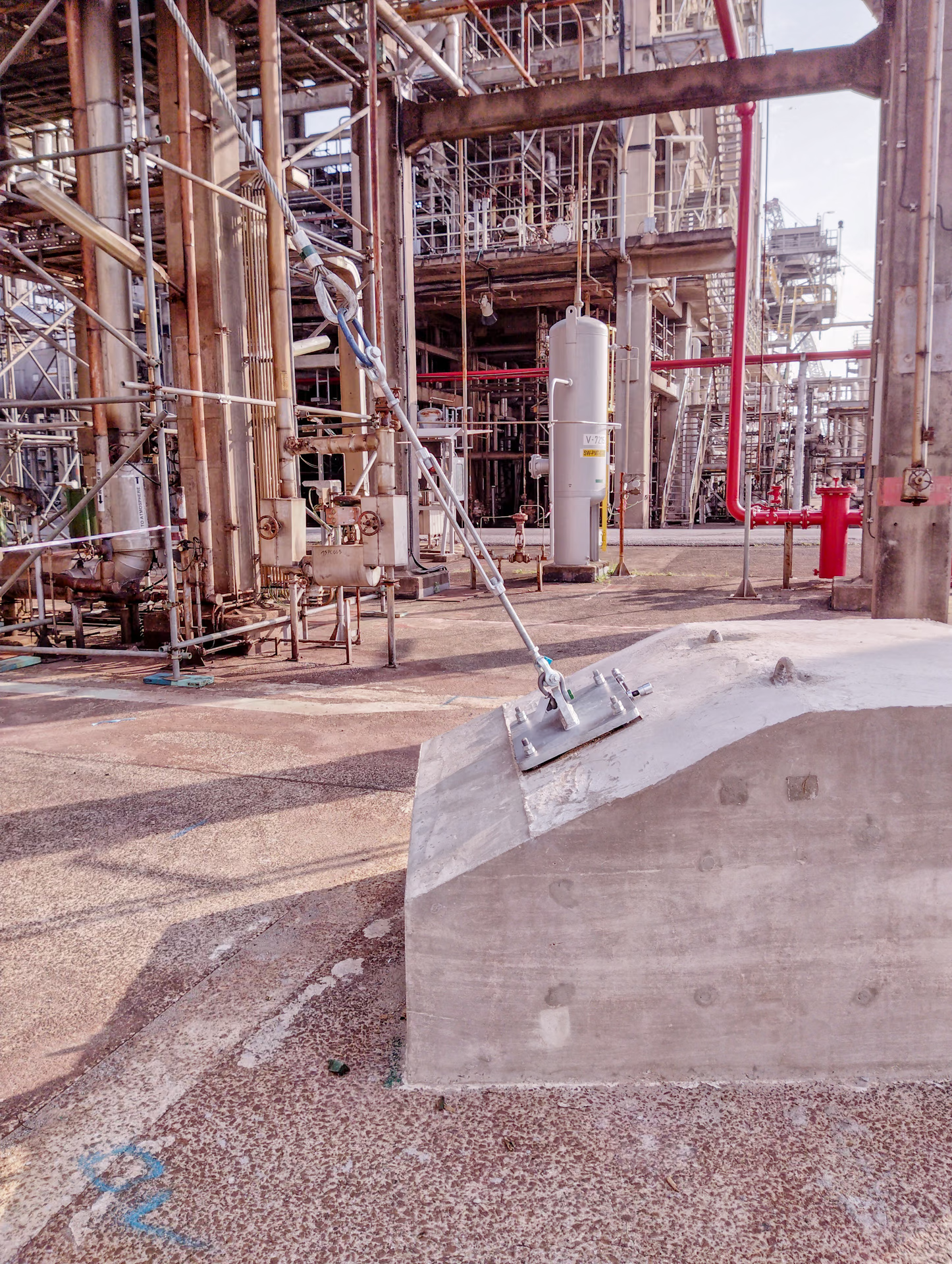
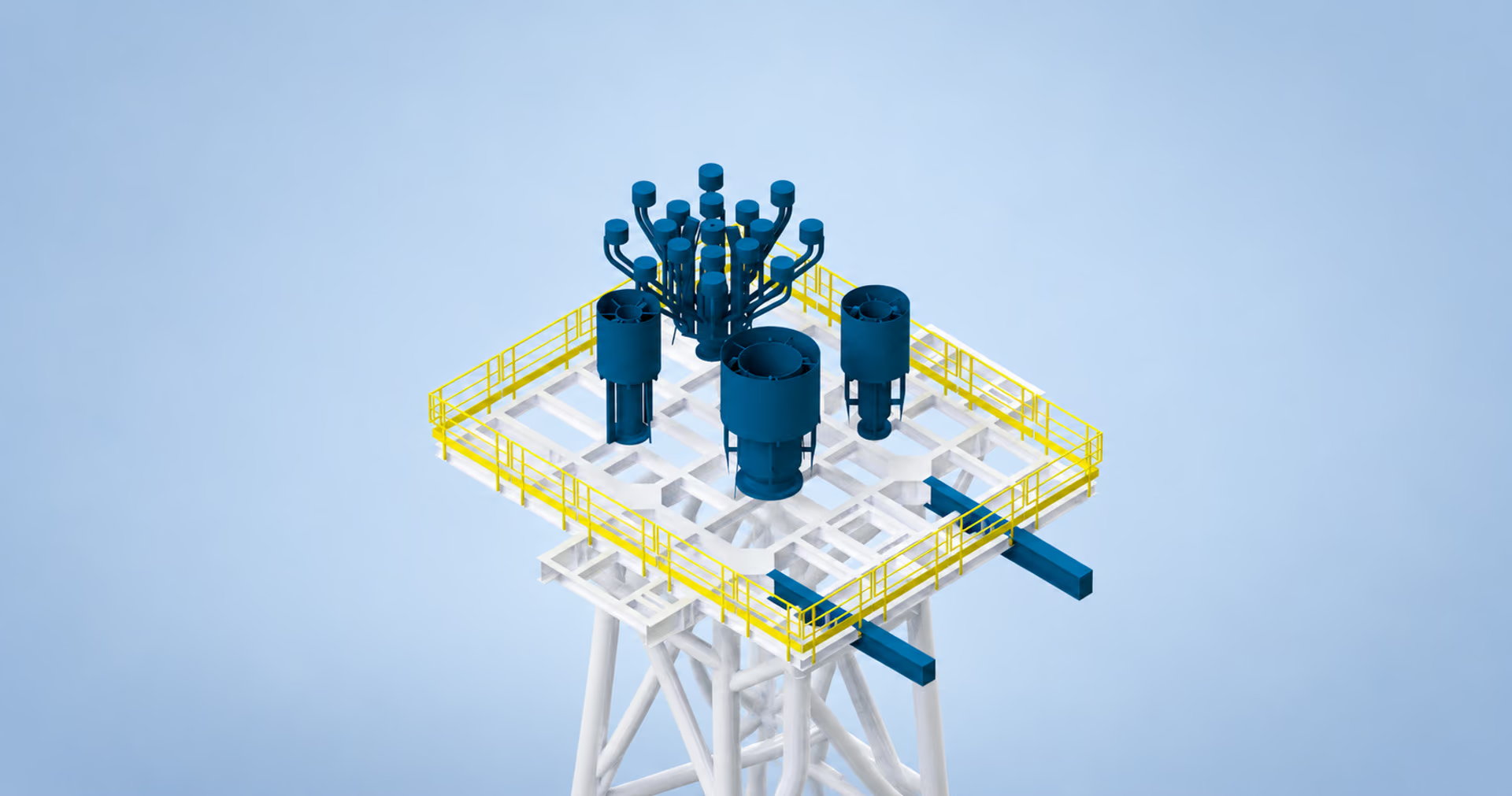
Conbit developed a tensioning support system designed to limit movement of Stack A-8103. The system consists of a clamping arrangement around the stack, tensioned guy wires, and anchor blocks designed by the client.
A dedicated tensioning system was used to apply the required pretension to the guy wires. Together, these components provide additional structural support and help reduce stack movement.
To meet the project's engineering requirements, Conbit collaborated with Tebulo, which provided additional engineering support. The cooperation proved successful and helped the team progress towards a practical solution despite evolving project requirements.
Project Execution
Throughout the project, Conbit coordinated the work, maintained control of the process, and addressed challenges as they arose. The team adapted to changing requirements and site conditions, working with the different parties involved to prepare and implement the support system.
This approach helped keep the project moving forward despite the extended preparation period and repeated engineering revisions.
Results
The tensioning support system was successfully implemented, delivering the intended solution to reduce stack movement. Shell, the end client, expressed strong satisfaction with Conbit's contribution, coordination, and control during execution.
The project demonstrated Conbit's ability to deliver practical engineering solutions through close collaboration, technical expertise, and a flexible approach to complex industrial challenges.
PRoject case study pdf
Download the PDF of this project case study here.
Thanks for leaving your email address. You can now download the requested case study
Oops! Something went wrong while submitting the form.
No items found.
Related Cases
Related Services
Maritime
Oil & Gas
Petrochemical
Wind
Lifeboat Davit Installation Services
Onshore & Offshore
Oil & Gas
Petrochemical
Wind
Maritime
Living Quarter Installation Services
Onshore & Offshore
Oil & Gas
Petrochemical
Wind
Maritime
Caisson Replacement Services
Onshore & Offshore
Maritime
Oil & Gas
Petrochemical
Crane Replacement Services
Onshore & Offshore
Oil & Gas
Petrochemical
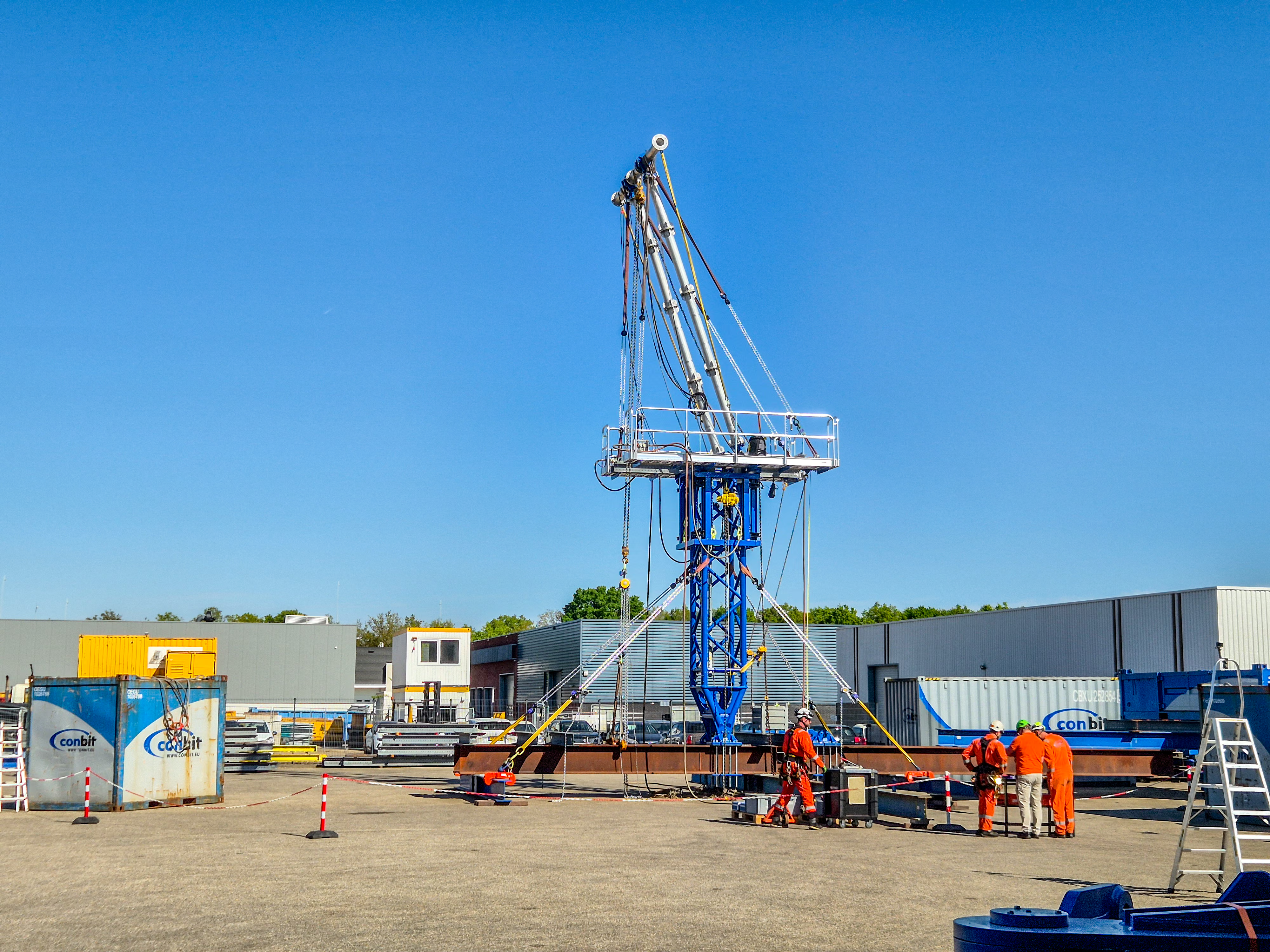
Flare Tip Replacement Services
Onshore & Offshore
Maritime
Wind
Oil & Gas
Inspections
Onshore & Offshore
Oil & Gas
Petrochemical
Wind
Modification
Onshore & Offshore
Oil & Gas
Petrochemical
Wind
Maintenance
Onshore & Offshore
Oil & Gas
Wind
Petrochemical
Maritime
Installation
Onshore & Offshore
Oil & Gas
Petrochemical
Decommissioning
Onshore & Offshore
Contact
We're here to answer your questions
Do you have any technical questions, general enquiries or do you need additional information? Don’t hesitate to contact our experts. With their expertise and experience in lifting services, they will gladly help you.
You can contact us by phone or email. We’re looking forward to your questions!
You can contact us by phone or email. We’re looking forward to your questions!

