21/9/2026

For decades, offshore heavy lifting has followed a familiar formula: when an offshore asset cannot provide the required lifting capacity, bring in a larger crane vessel.
But what if the lifting capability could be created directly on the asset?
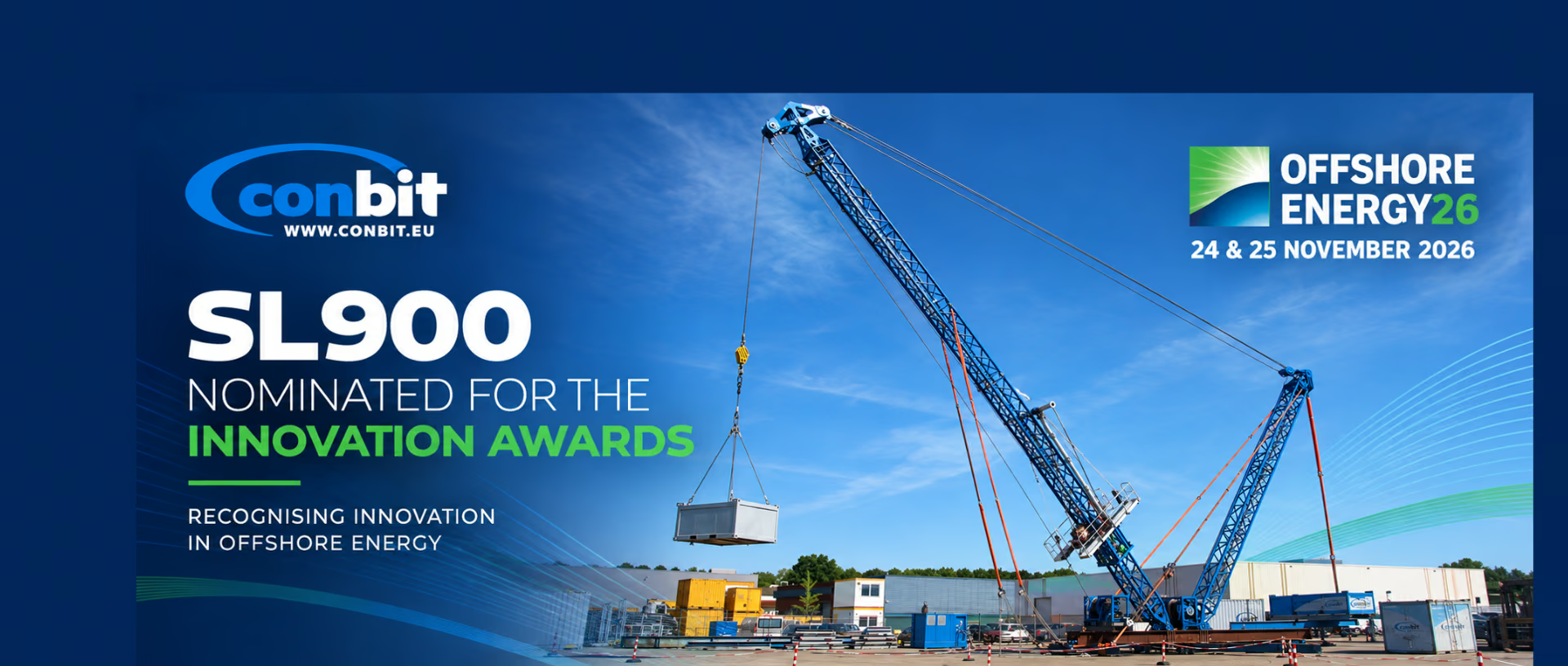
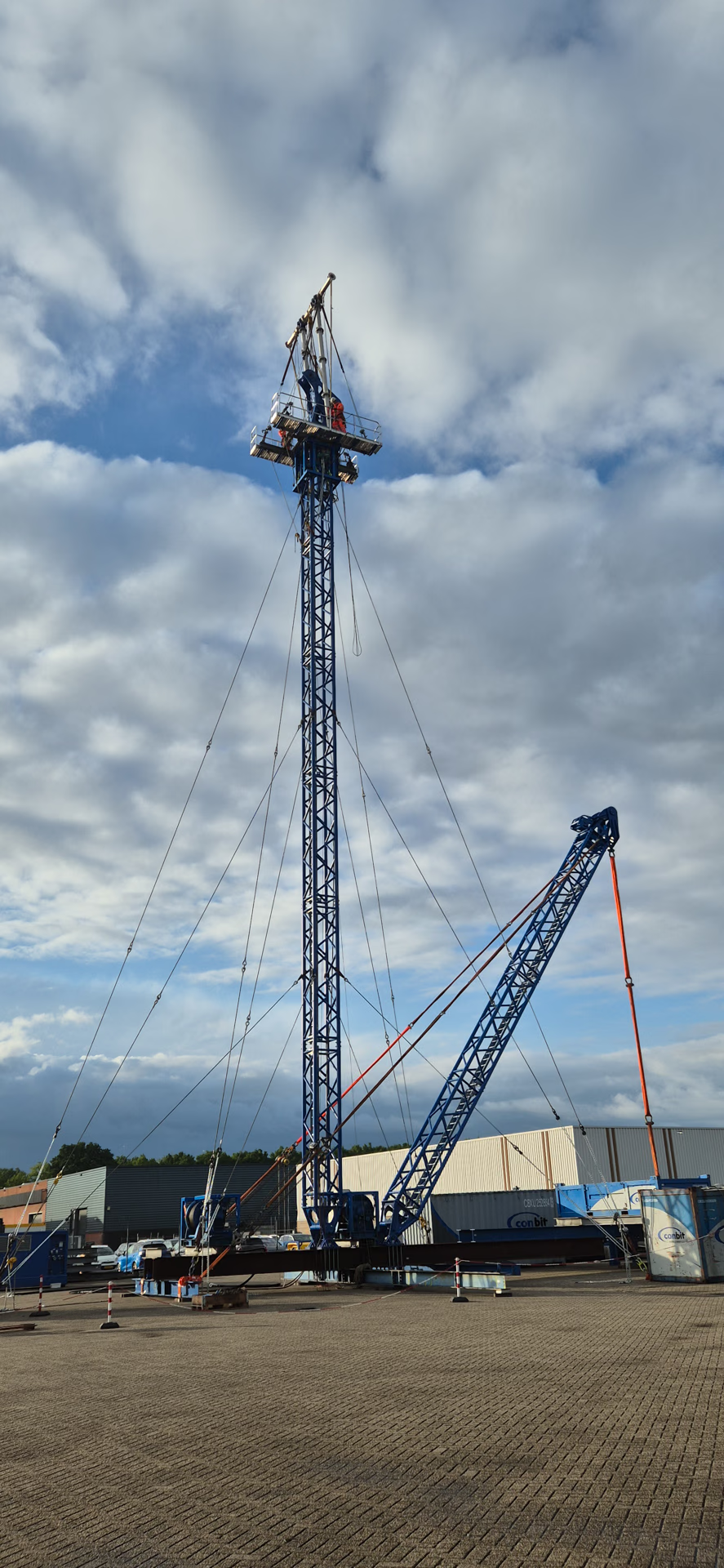
Conbit’s SL900 modular lifting system challenges this conventional approach.
Rather than bringing heavy lifting capability to an offshore asset through a specialist vessel, the SL900 can create high-capacity temporary lifting capability directly where the work needs to happen.
This represents a shift from vessel-dependent lifting to asset-based lifting, with the potential to change how offshore maintenance, modification, life extension and decommissioning projects can be approached.
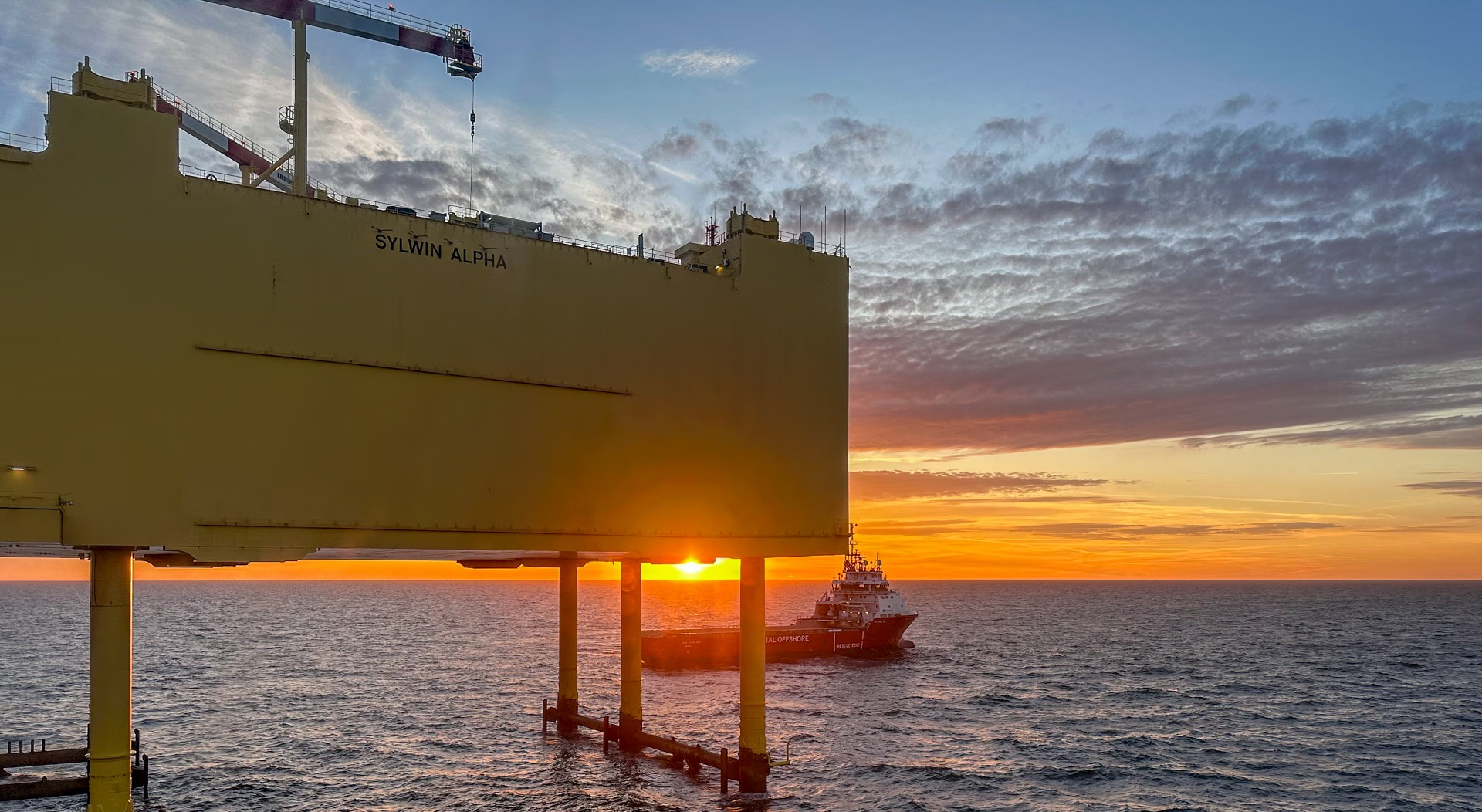
This concept was developed for the Cassia-A Vent Boom Removal project for BP Trinidad & Tobago.
The vent boom needed to be dismantled into sections and transferred to a supply vessel. A conventional approach would have required a specialist heavy lift vessel. However, the vessel could only be positioned on one side of the platform, while critical cutting and preparation activities needed to take place within the vent boom during the lifting sequence.
This created significant challenges around vessel access, SIMOPS and offshore working space. The project team also wanted to avoid temporary scaffolding.
Instead of asking “Which vessel do we need?”, Conbit asked a different question:
“Does this lift require a vessel at all?”
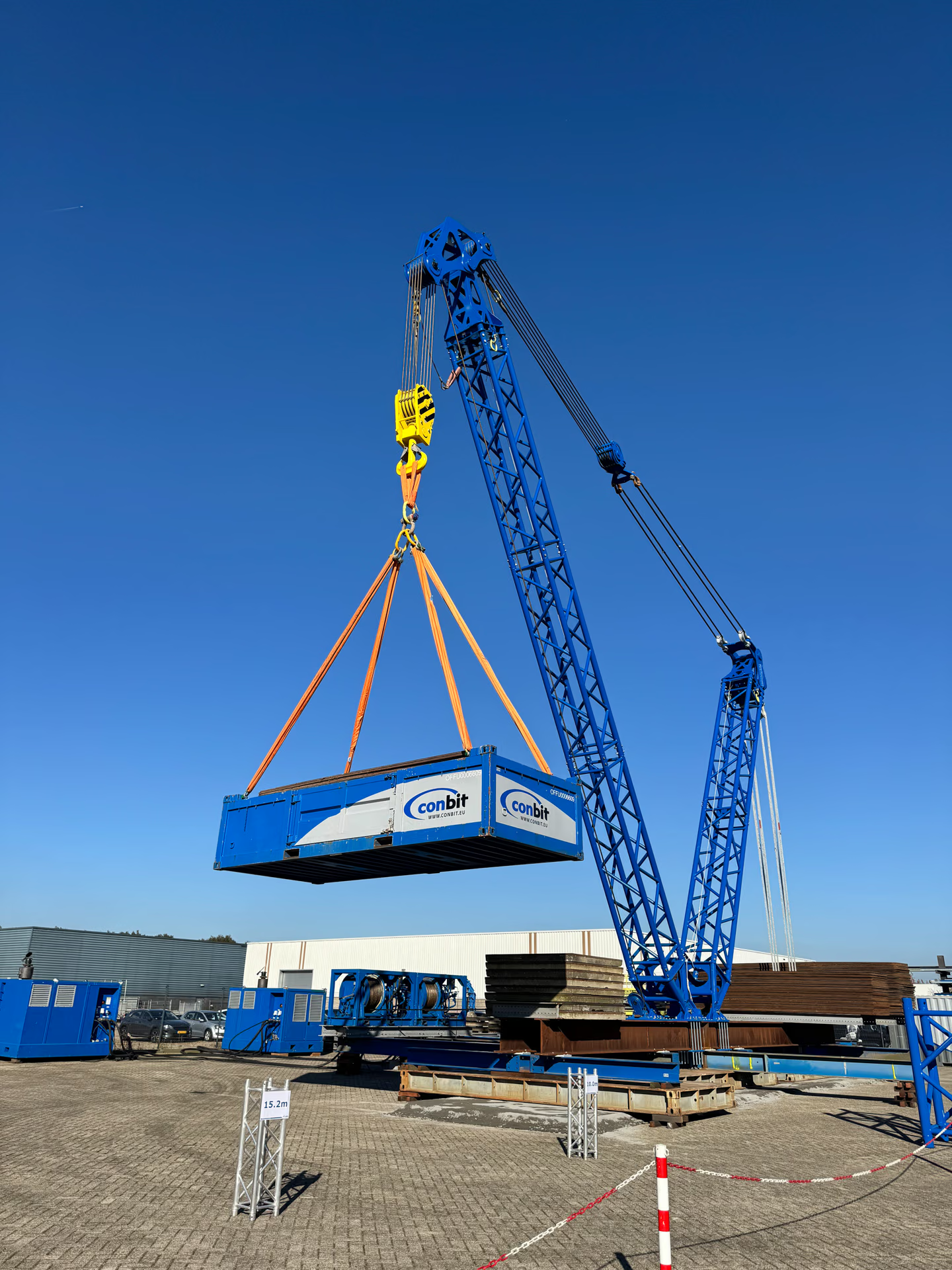
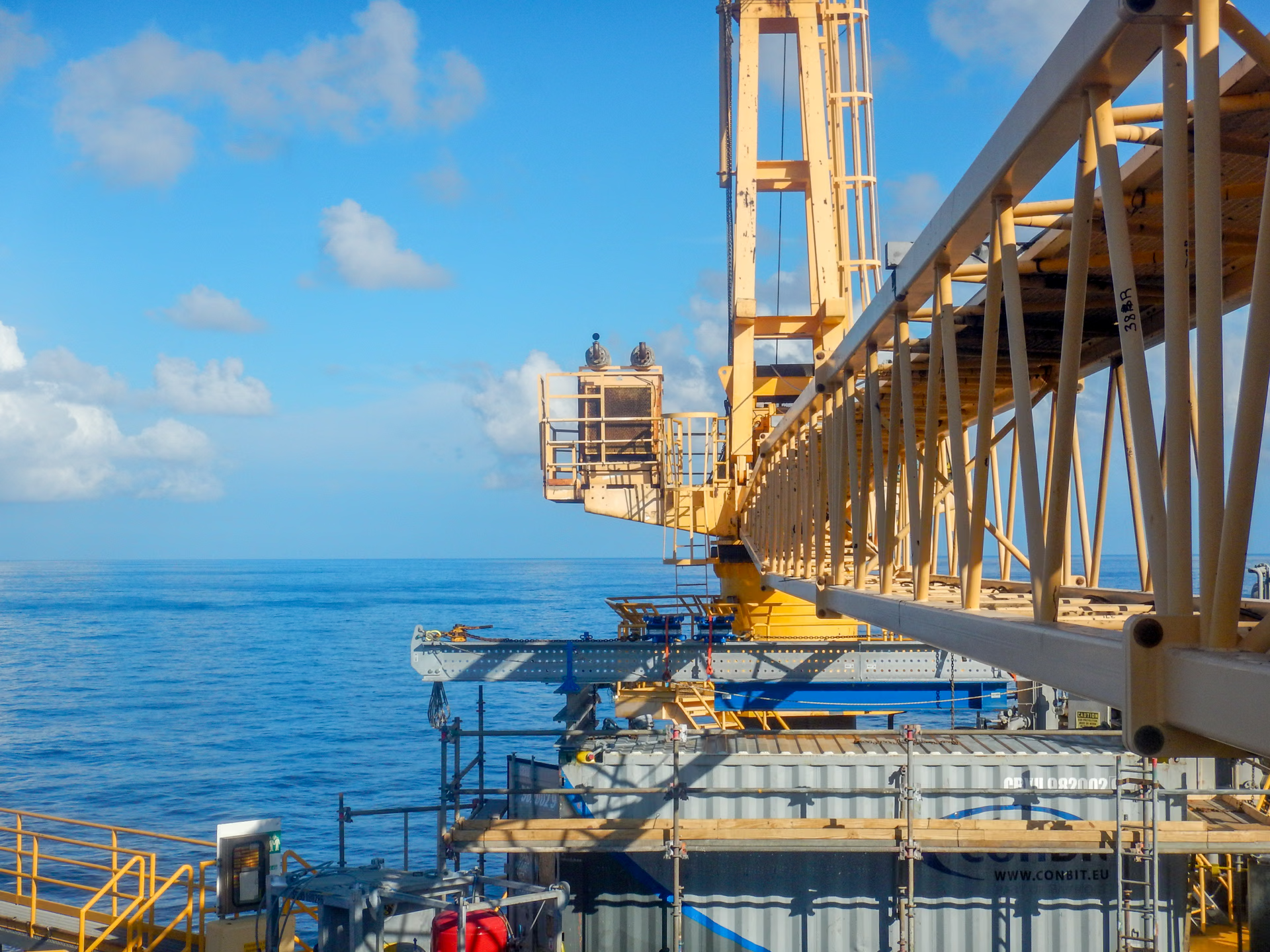
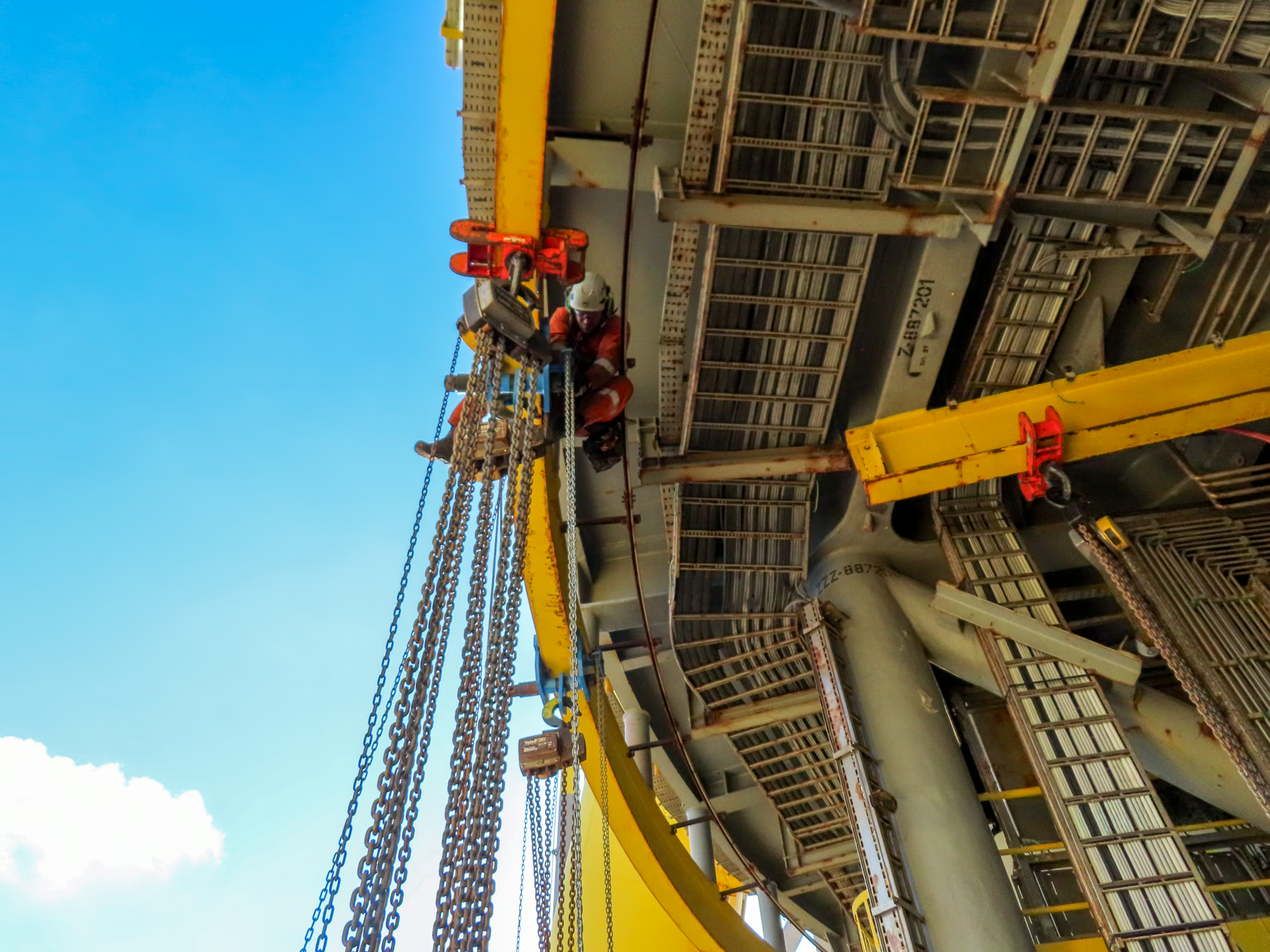
Conbit developed a concept using a single SL900 system installed directly on the Cassia-A platform.
The vent boom would be removed in controlled sections and transferred directly to a supply vessel. The lifting capability would therefore be created on the asset itself, without the need for a heavy lift vessel or temporary gantry.
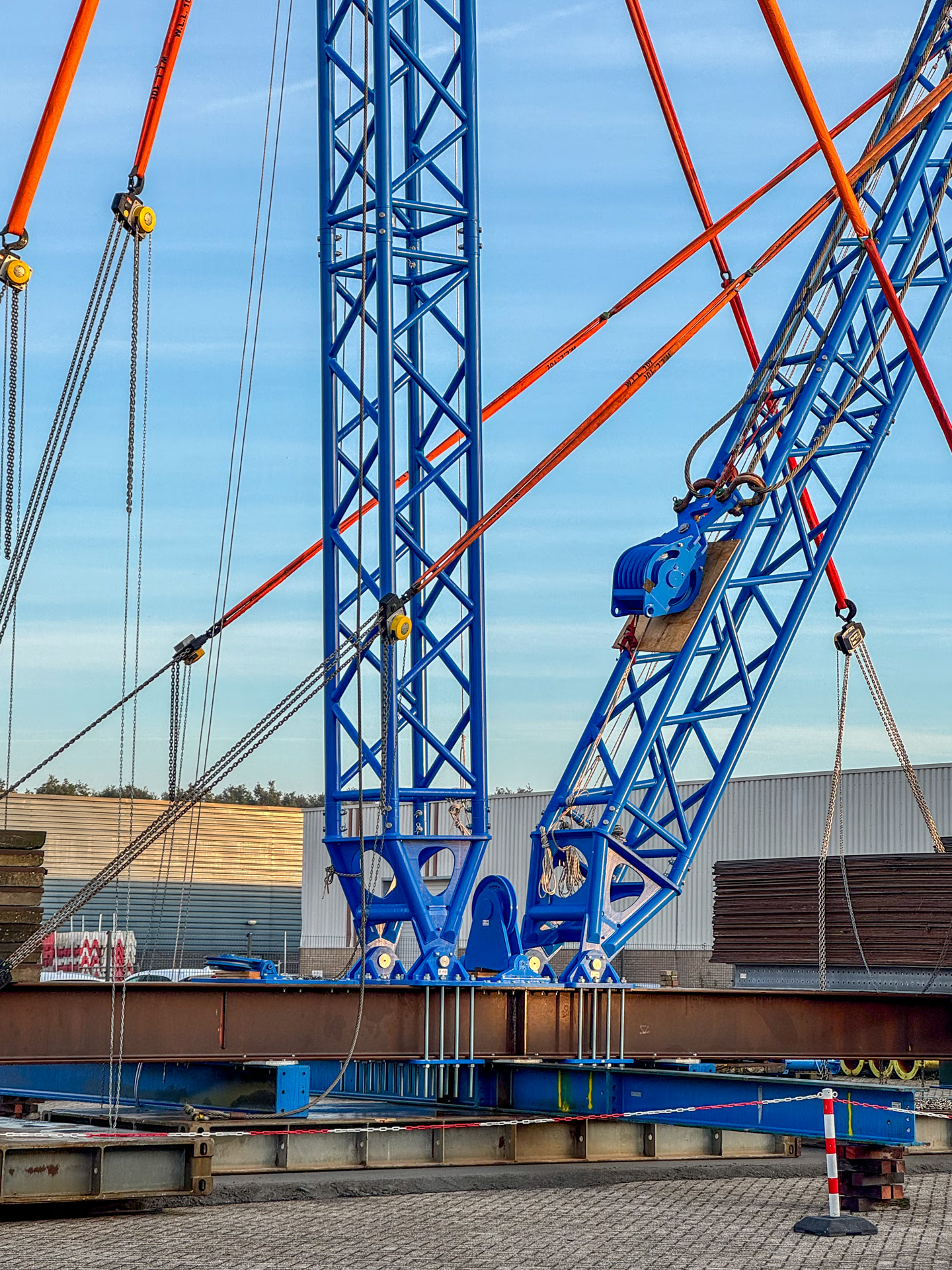
The SL900’s modular architecture allowed the proposed system to be configured around the platform’s available space, lifting radius and project-specific loadcases.
This changed the execution philosophy from:
Asset→ Heavy Lift Vessel → Lift
to:
Asset→ SL900 → Lift
The vessel could still support transportation, but it would no longer need to provide the primary lifting capability.
The innovation is not simply the SL900’s lifting capacity.
It is the change in dependency that the system enables.
Traditional heavy lifting can make an offshore project dependent on vessel availability, positioning, mobilization and operating limitations. By creating lifting capability directly on the asset, the SL900 offers the potential for greater flexibility and a reduced logistical footprint.
Its modular architecture also allows the system to be adapted to different offshore structures and project requirements.
The question changes from:
“Which crane vessel do we need?”
to:
“How can we create the lifting capability we need on the asset?”
That is a fundamentally different starting point.
For the Cassia-A project, the innovation progressed well beyond the initial concept.
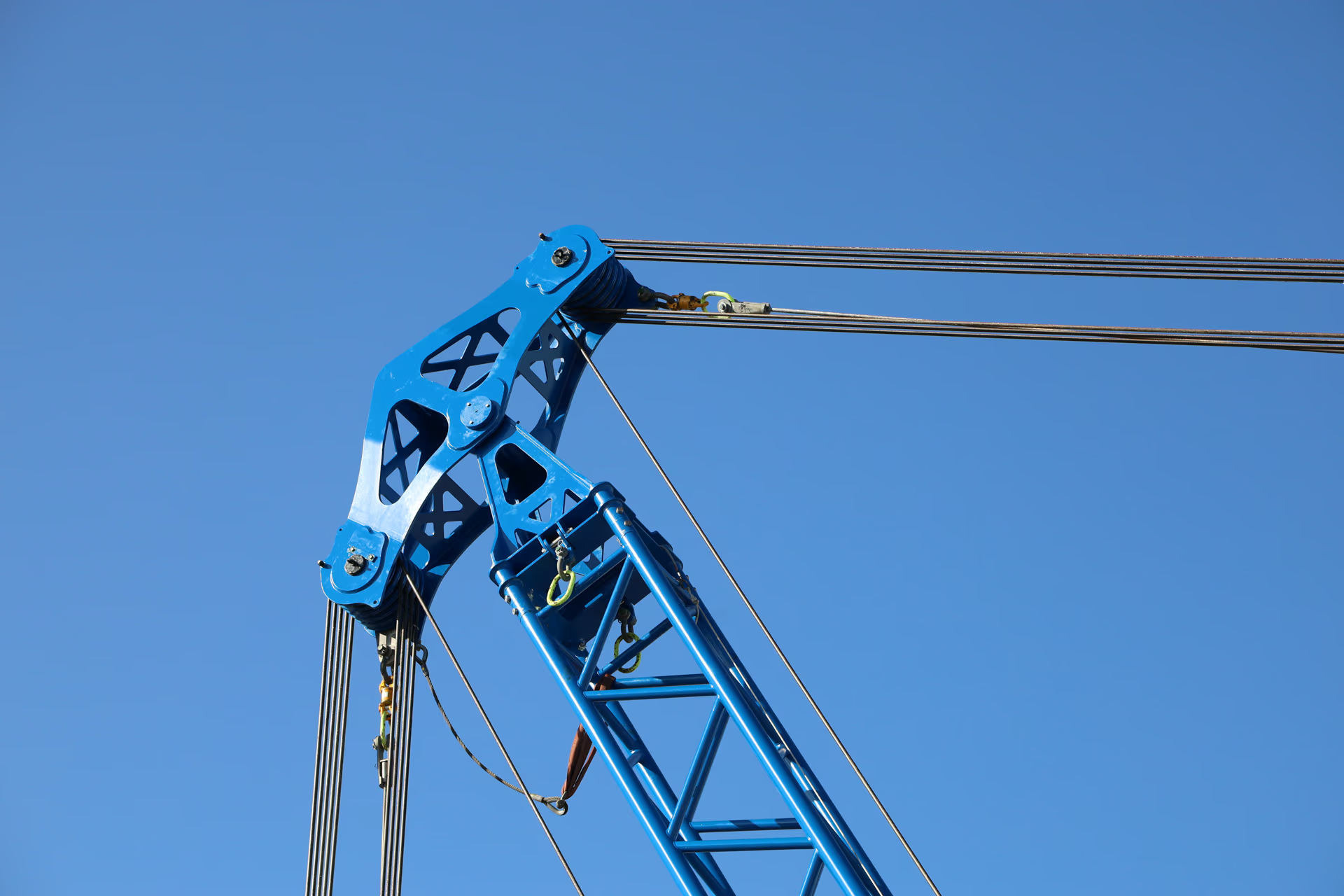
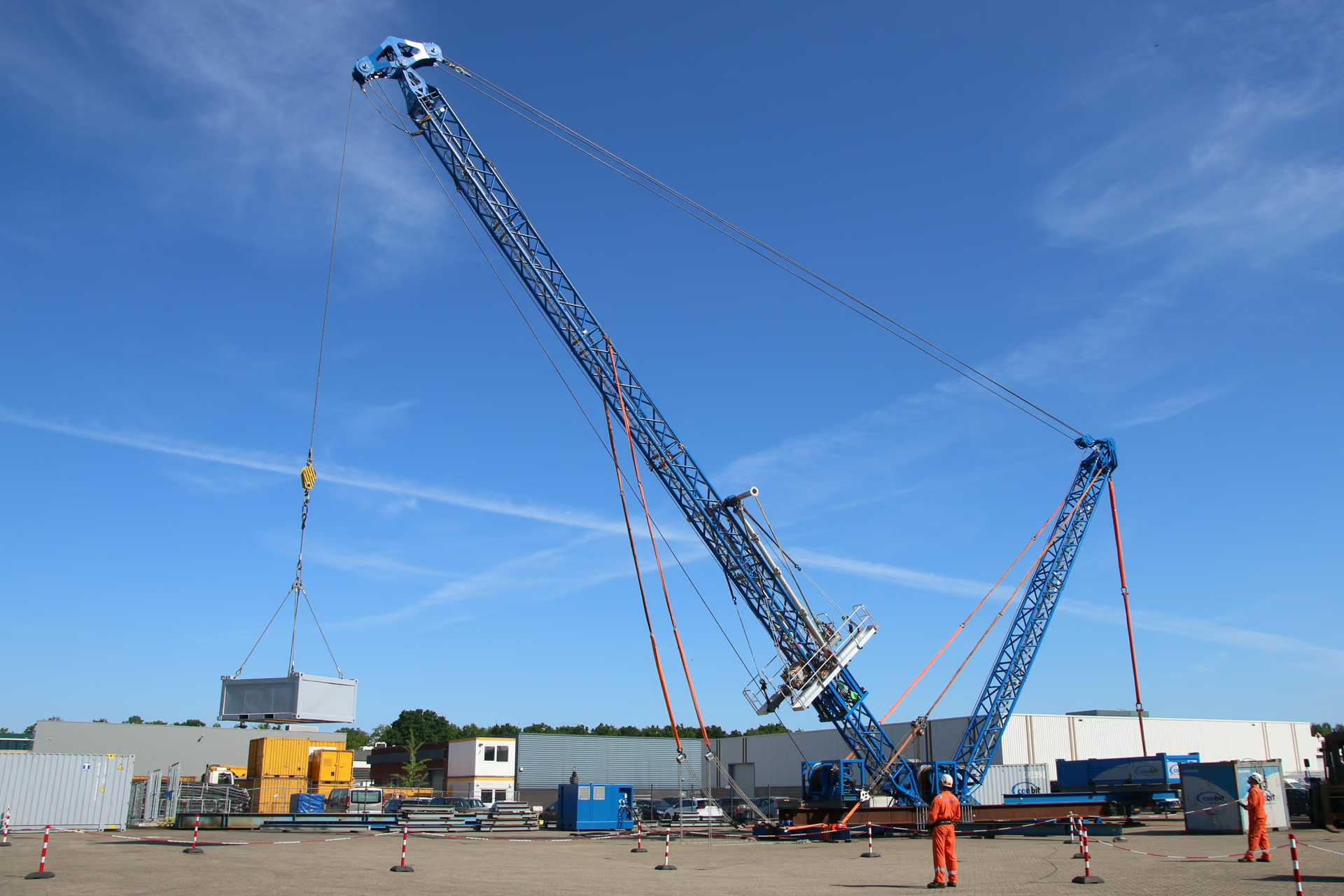
Conbit completed the detailed engineering, project preparation and manufacturing of project-specific SL900 components. The system was then subjected to a Factory Acceptance Test programme, including witnessed load testing attended by BP, Massy Wood and other project stakeholders.
The successful testing demonstrated the capability of the project-specific SL900 configuration and provided validation of the proposed lifting solution.
Importantly, the Cassia-A offshore operation itself was never executed. The wider Kannikonna development project was ultimately cancelled before the offshore campaign took place.
The achievement was therefore not a completed offshore lift, but the successful development and validation of an alternative lifting methodology for a real offshore application.
The project demonstrated that the SL900 concept could be engineered, manufactured and tested against the requirements of a major offshore operator.
Cassia-Awas one application, but the underlying concept is much broader.
Offshore assets will continue to require major components to be inspected, repaired, replaced, modified and eventually removed. In many of these operations, access to specialist lifting vessels can influence the entire project methodology.
The SL900 provides another option.
By separating lifting from transportation, offshore operators can potentially reduce vessel dependency, simplify logistics and gain greater flexibility in how complex lifting operations are planned.
The concept has potential relevance across offshore oil and gas, offshore wind and other offshore energy infrastructure.
The SL900 is not about replacing every heavy lift vessel.
It is about challenging the assumption that a heavy lift vessel should automatically be the starting point for a heavy lift.
It offers a different model:
Bring the lifting capability to the asset, rather than bringing the lifting capability through a specialist vessel.
That is the innovation: a new way of creating offshore lifting capability, validated before deployment and designed to reduce dependency on the infrastructure traditionally required to perform the lift.
The future of offshore lifting is not bigger vessels. It is smarter systems.


.avif)
.avif)