
Case
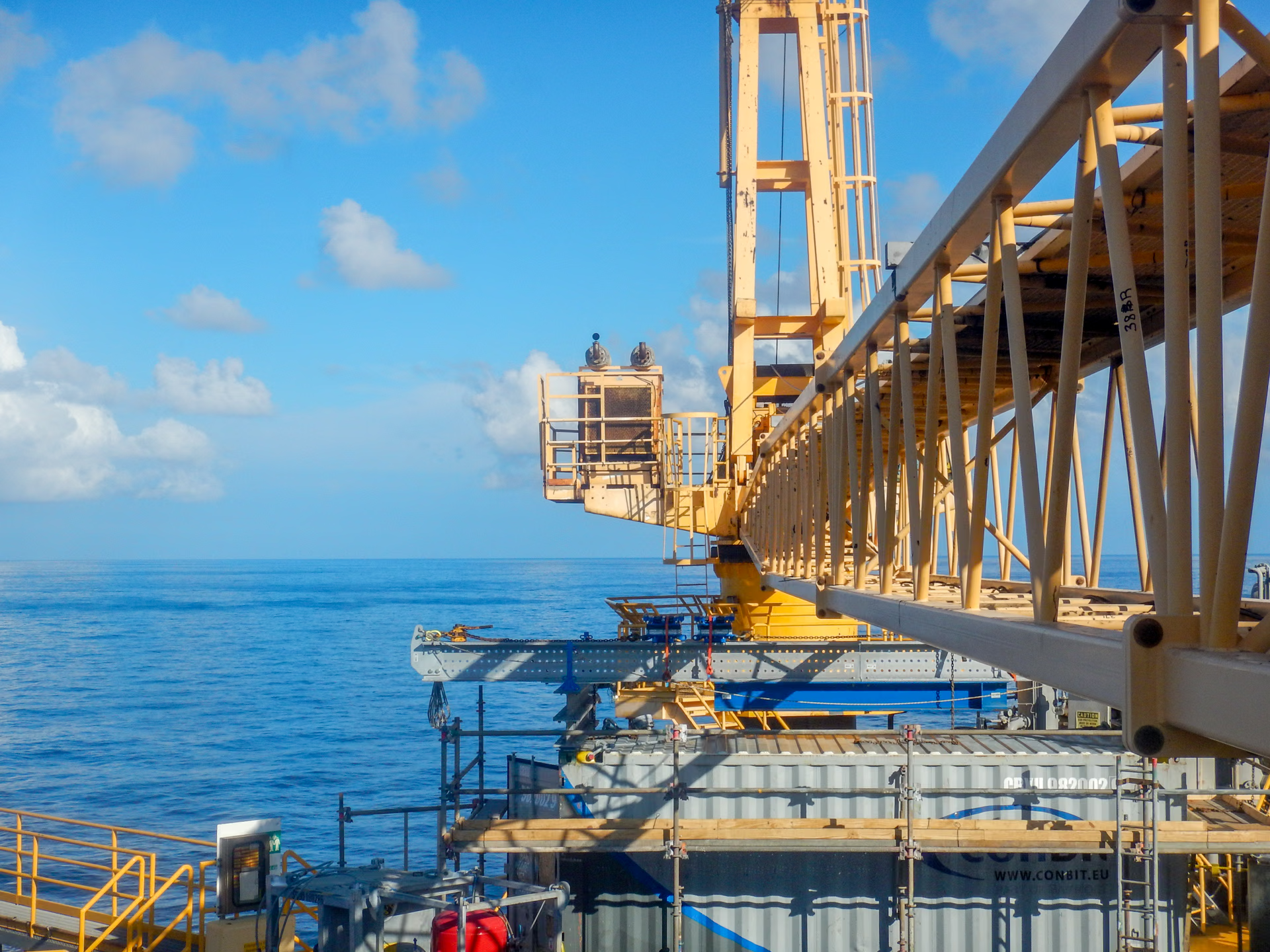
Engineered skidding solution for offshore crane boom replacement
The project at a glance
- Client: Hess USA
- Location: Baldpate Platform, USA
- Scope: Eastern crane boom replacement and crane engine replacement
- New boom weight: 14,618 kg
- Equipment: Custom skidding system, HE400B beams and skidding trolleys
Safe and efficient crane boom replacement offshore
Conbit successfully executed the replacement of the eastern platform crane boom on the Baldpate Platform in the USA for Hess USA. The project involved replacing the existing 13,775 kg crane boom with a new 14,618 kg boom, introducing additional handling and installation requirements due to the increased weight.
During the project, the scope was expanded to include the replacement of the crane engine. At the same time, the platform operator transitioned from Hess to Chevron, resulting in changing client interfaces throughout the execution. Conbit managed these changes while maintaining a controlled and coordinated project execution.
A compact skidding solution
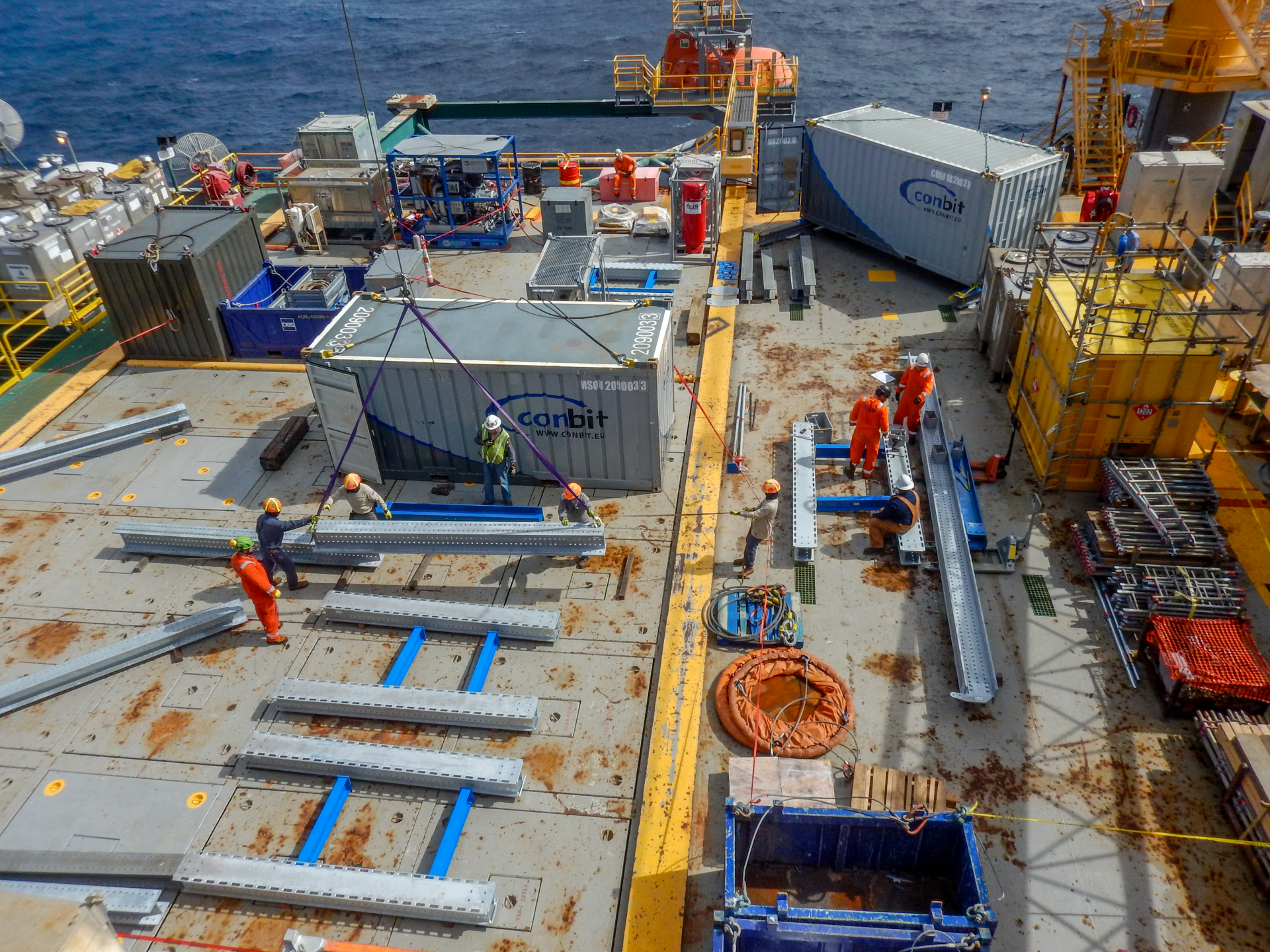
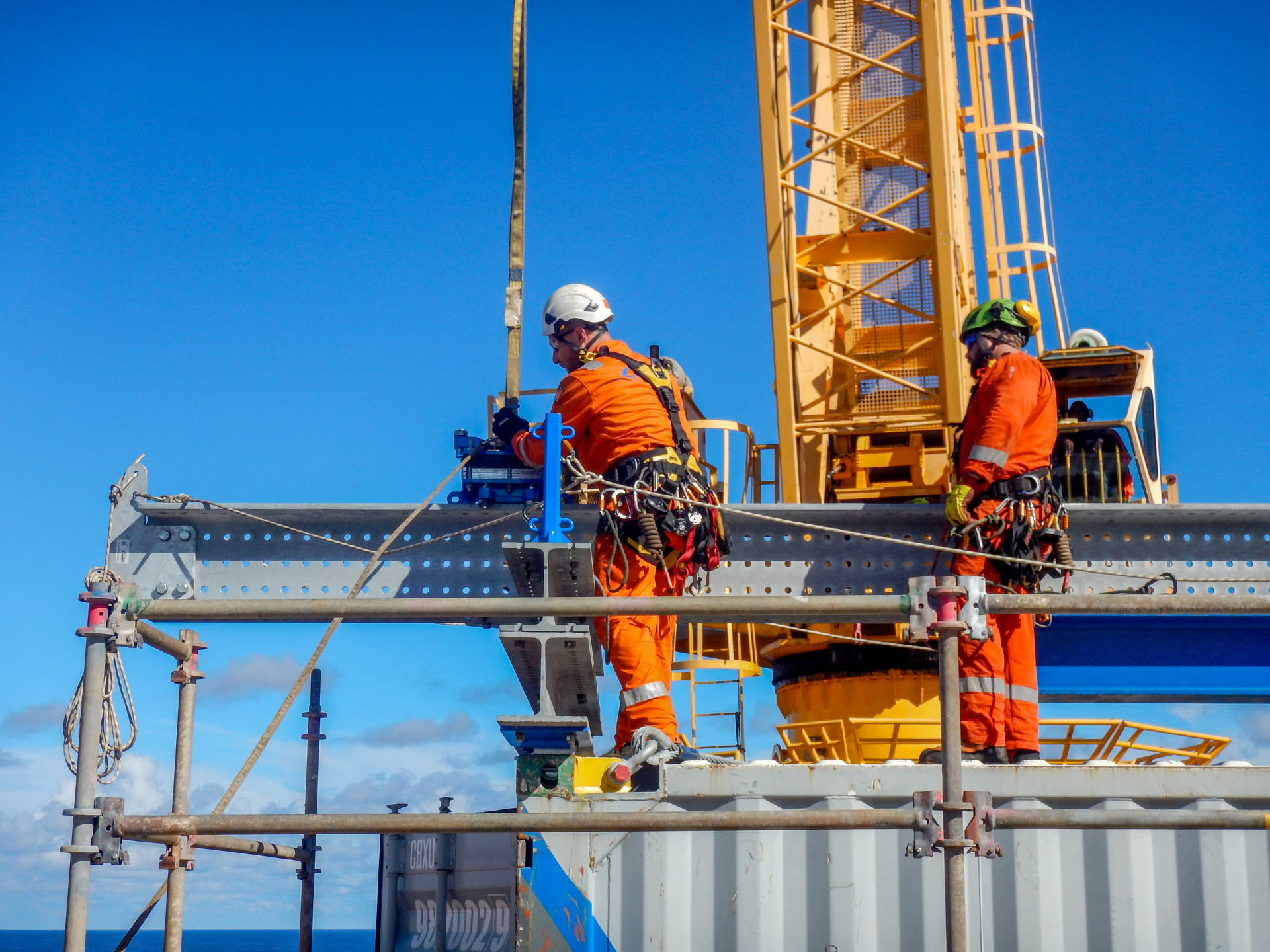
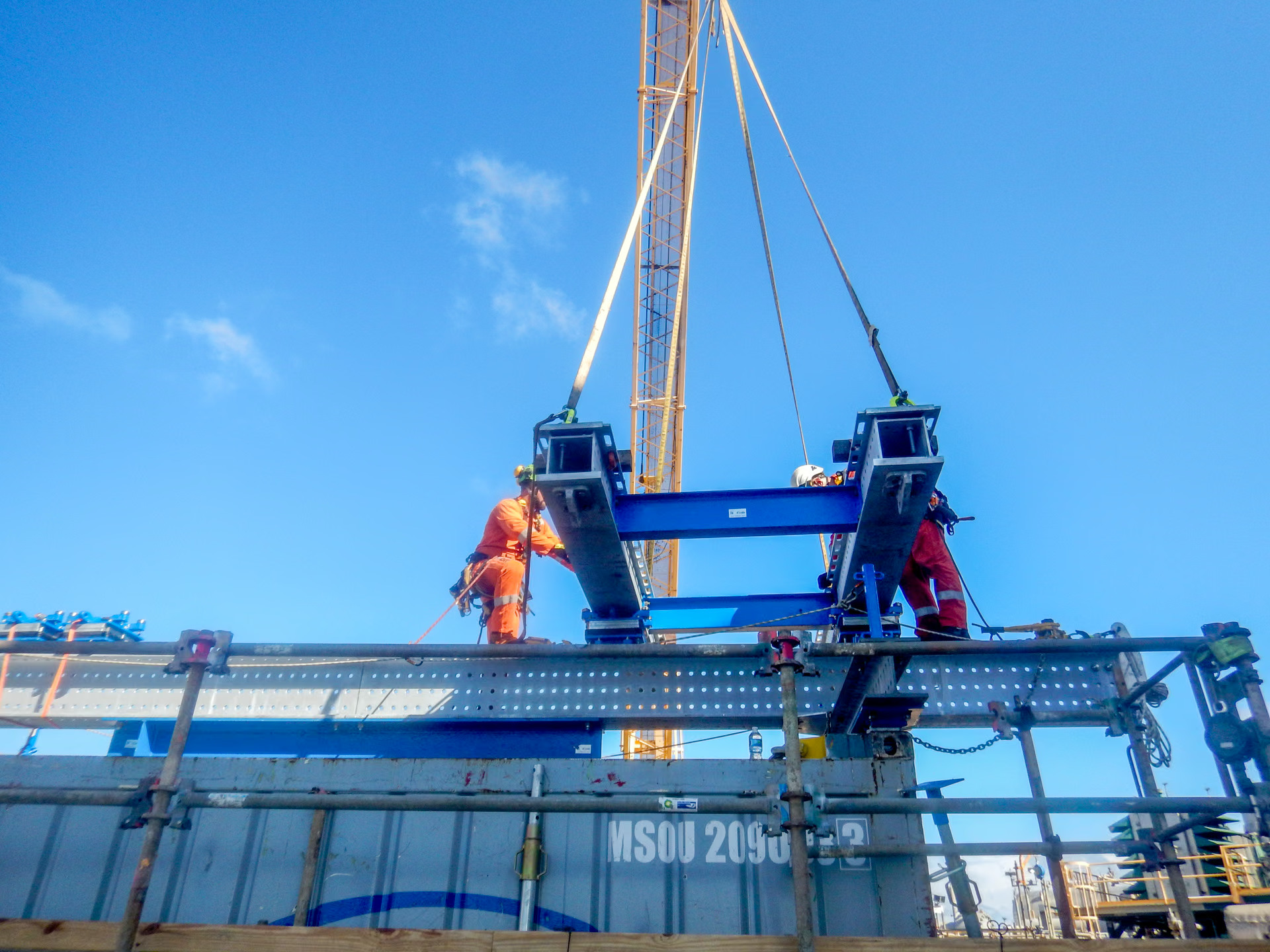
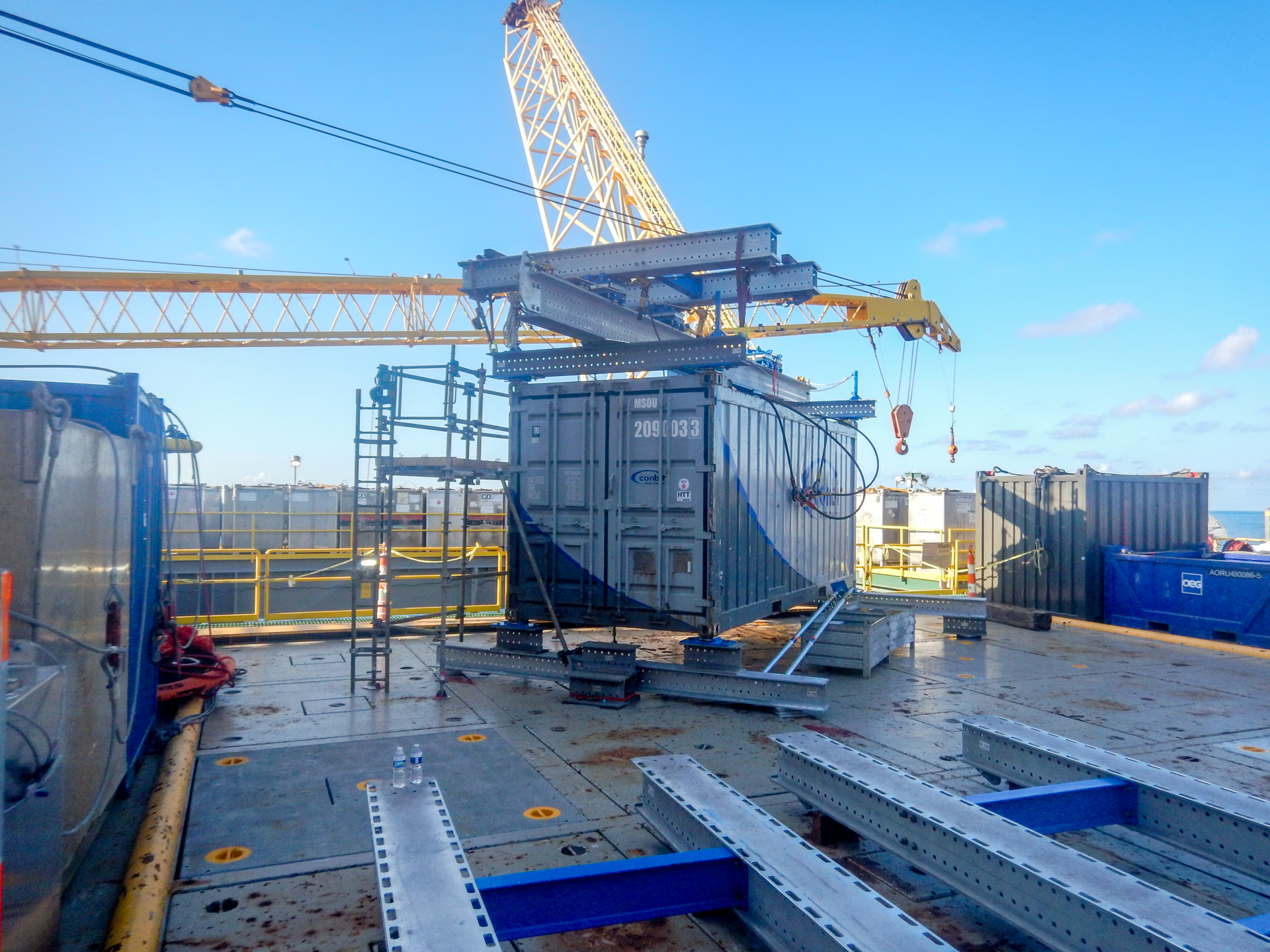
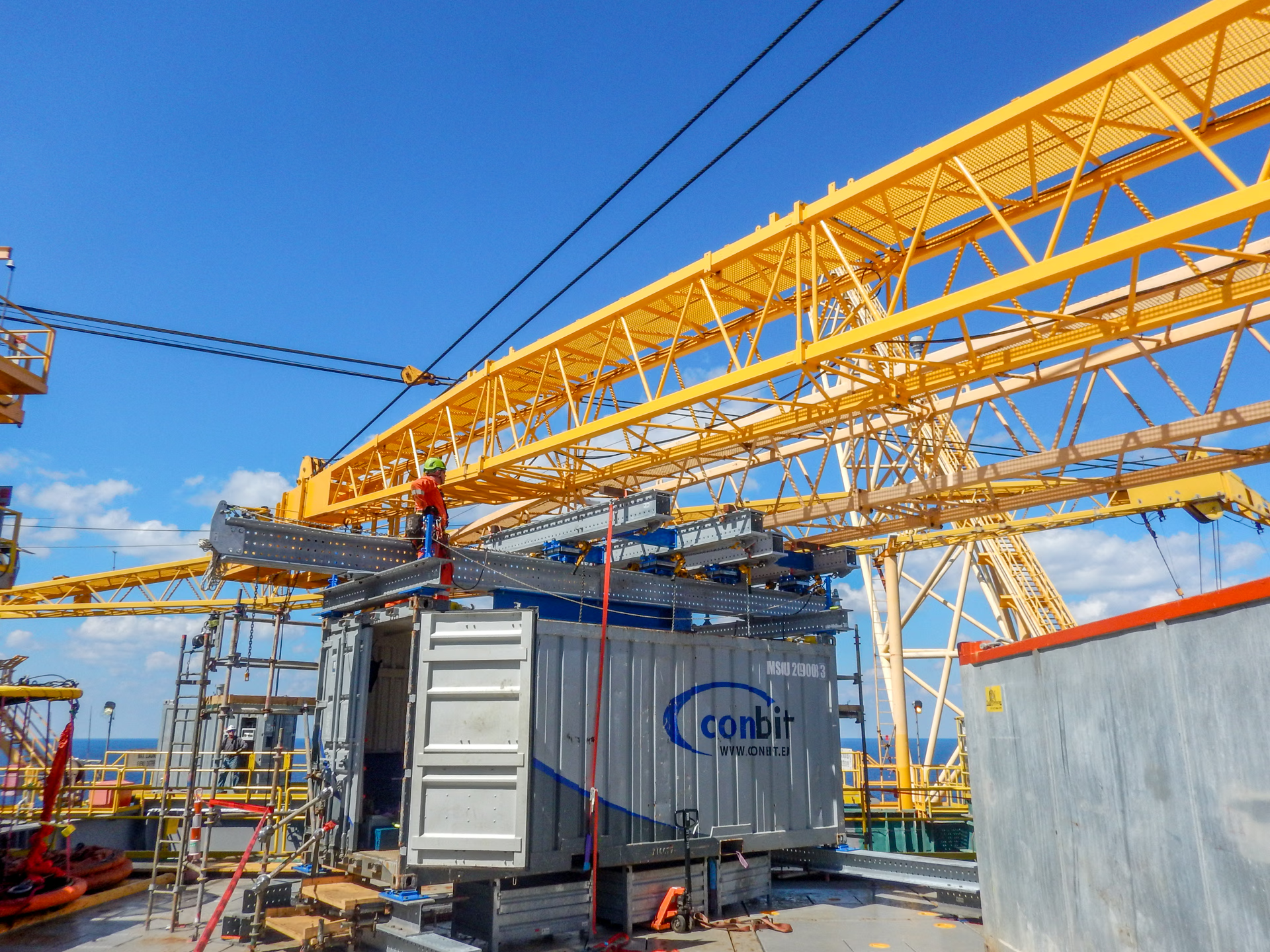
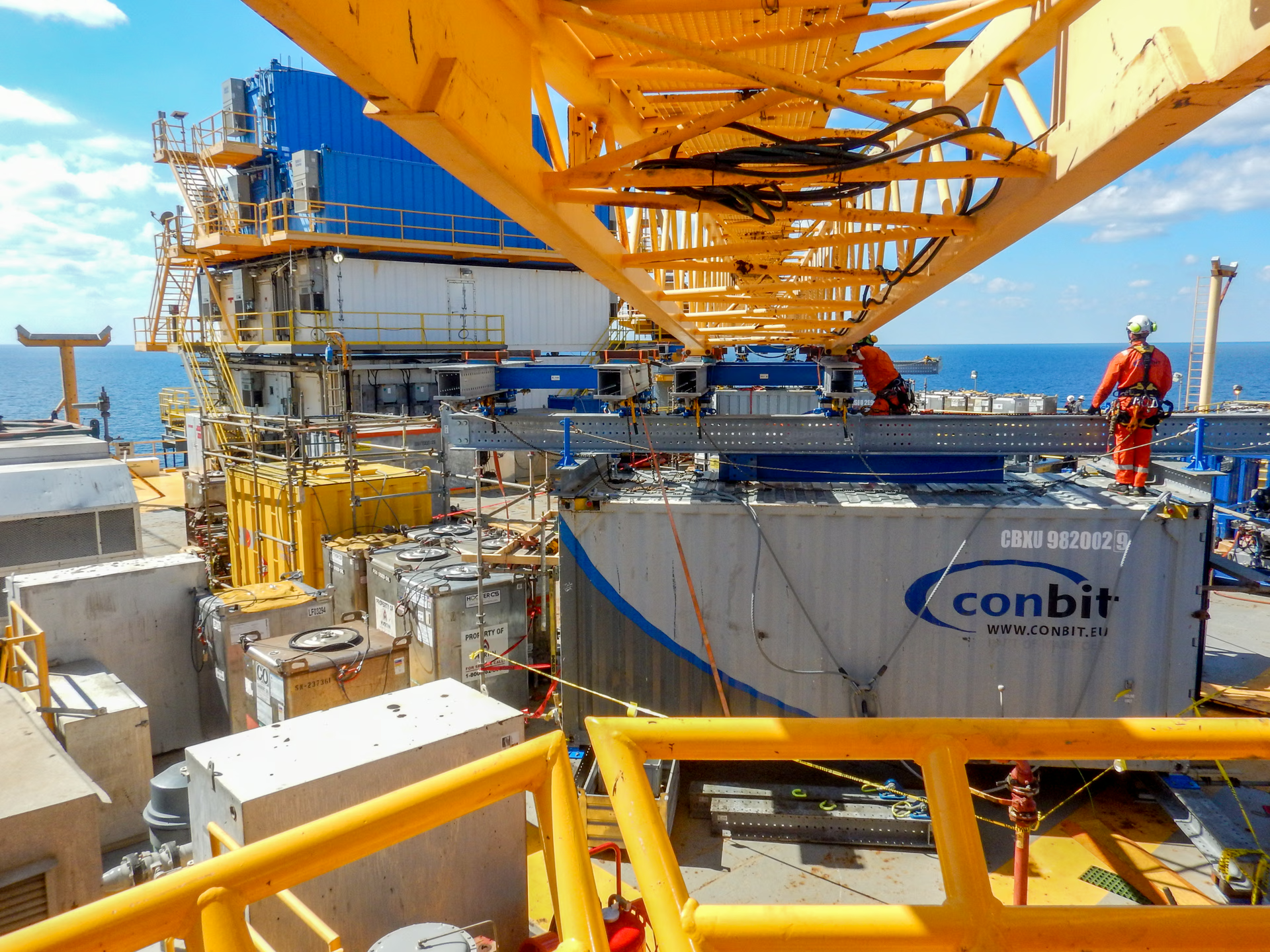
To facilitate the crane boom replacement, Conbit engineered a new skidding system based on proven concepts from previous offshore projects. The system was designed to be installed directly on top of Conbit equipment containers, providing a compact and efficient solution that made optimal use of the limited deck space available on the platform.
The newly manufactured skidding system consisted of HE400B base frame beams and skidding trolleys. Its design provided a robust and controlled method for moving the crane booms while keeping the required offshore footprint to a minimum.
During execution, the offshore team experienced standby time while waiting for the supply vessel carrying the new crane boom. Despite this additional waiting time and the changes in client interfaces, the operation was completed in a controlled and efficient manner.
Engineered for the available space
The Baldpate project demonstrates how a purpose-designed skidding system can provide an efficient solution for crane boom replacement in a space-constrained offshore environment. By integrating the skidding system with Conbit's equipment containers, the required equipment footprint was kept compact while providing the necessary capacity and control for the operation.
The removal and installation of the heel pins, as well as the removal and installation of the main, auxiliary and luffing wires, were outside Conbit's scope.
Watch how we prepare and execute
Watch how we prepare and execute
See how we got to work
No items found.
PRoject case study pdf
Download the PDF of this project case study here.
Thanks for leaving your email address. You can now download the requested case study
Oops! Something went wrong while submitting the form.
No items found.
Related Cases
Related Services
Maritime
Oil & Gas
Petrochemical
Wind
Lifeboat Davit Installation Services
Onshore & Offshore
Oil & Gas
Petrochemical
Wind
Maritime
Living Quarter Installation Services
Onshore & Offshore
Oil & Gas
Petrochemical
Wind
Maritime
Caisson Replacement Services
Onshore & Offshore
Maritime
Oil & Gas
Petrochemical
Crane Replacement Services
Onshore & Offshore
Oil & Gas
Petrochemical
Flare Tip Replacement Services
Onshore & Offshore
Maritime
Wind
Oil & Gas
Inspections
Onshore & Offshore
Oil & Gas
Petrochemical
Wind
Modification
Onshore & Offshore
Oil & Gas
Petrochemical
Wind
Maintenance
Onshore & Offshore
Oil & Gas
Wind
Petrochemical
Maritime
Installation
Onshore & Offshore
Oil & Gas
Petrochemical
Decommissioning
Onshore & Offshore

.avif)
Contact
We're here to answer your questions
Do you have any technical questions, general enquiries or do you need additional information? Don’t hesitate to contact our experts. With their expertise and experience in lifting services, they will gladly help you.
You can contact us by phone or email. We’re looking forward to your questions!
You can contact us by phone or email. We’re looking forward to your questions!

