
Case
Project Overview
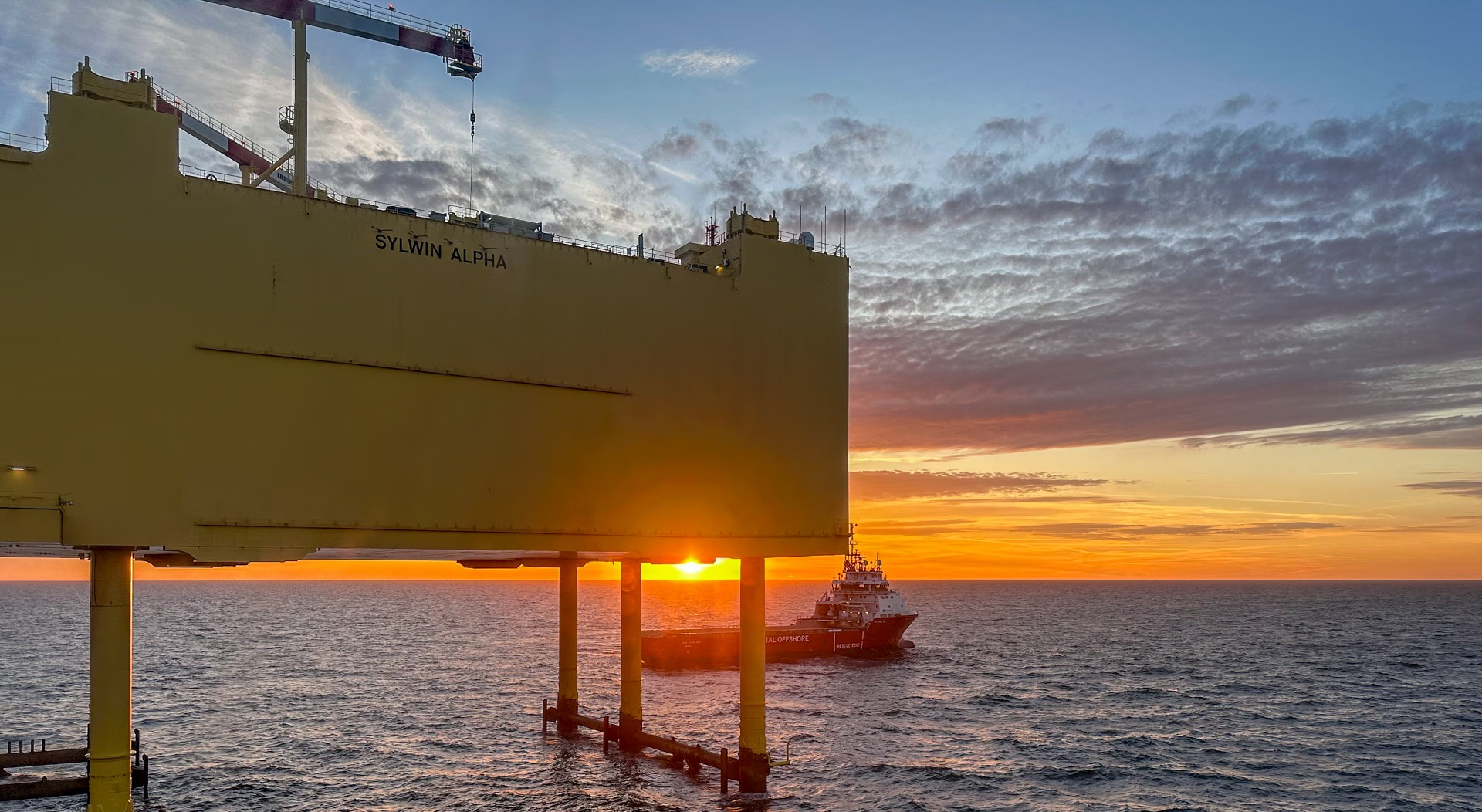
TenneT Offshore GmbH appointed Conbit as the main contractor for Lot 1 of the SylWin Alpha ICCP retrofit project in the North Sea. The project focuses on the design and installation of an Impressed Current Cathodic Protection (ICCP) system to safeguard the platform’s jacket structure against corrosion. The system is engineered to achieve a minimum operational lifetime of 25 years and must comply with certification requirements set by Lloyd’s Register, ensuring adherence to BSH standards for underwater corrosion protection.
Project Scope and Responsibilities
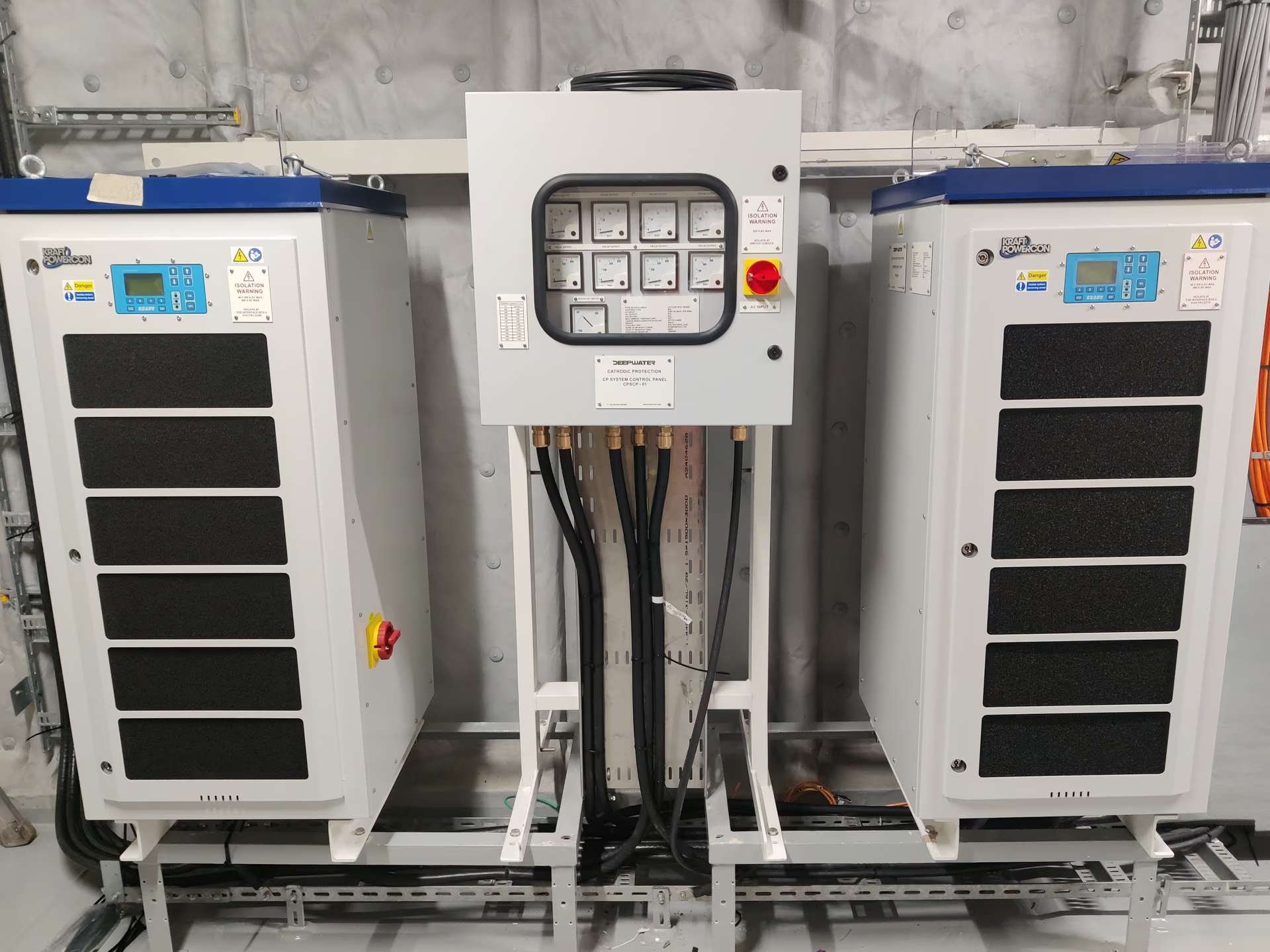
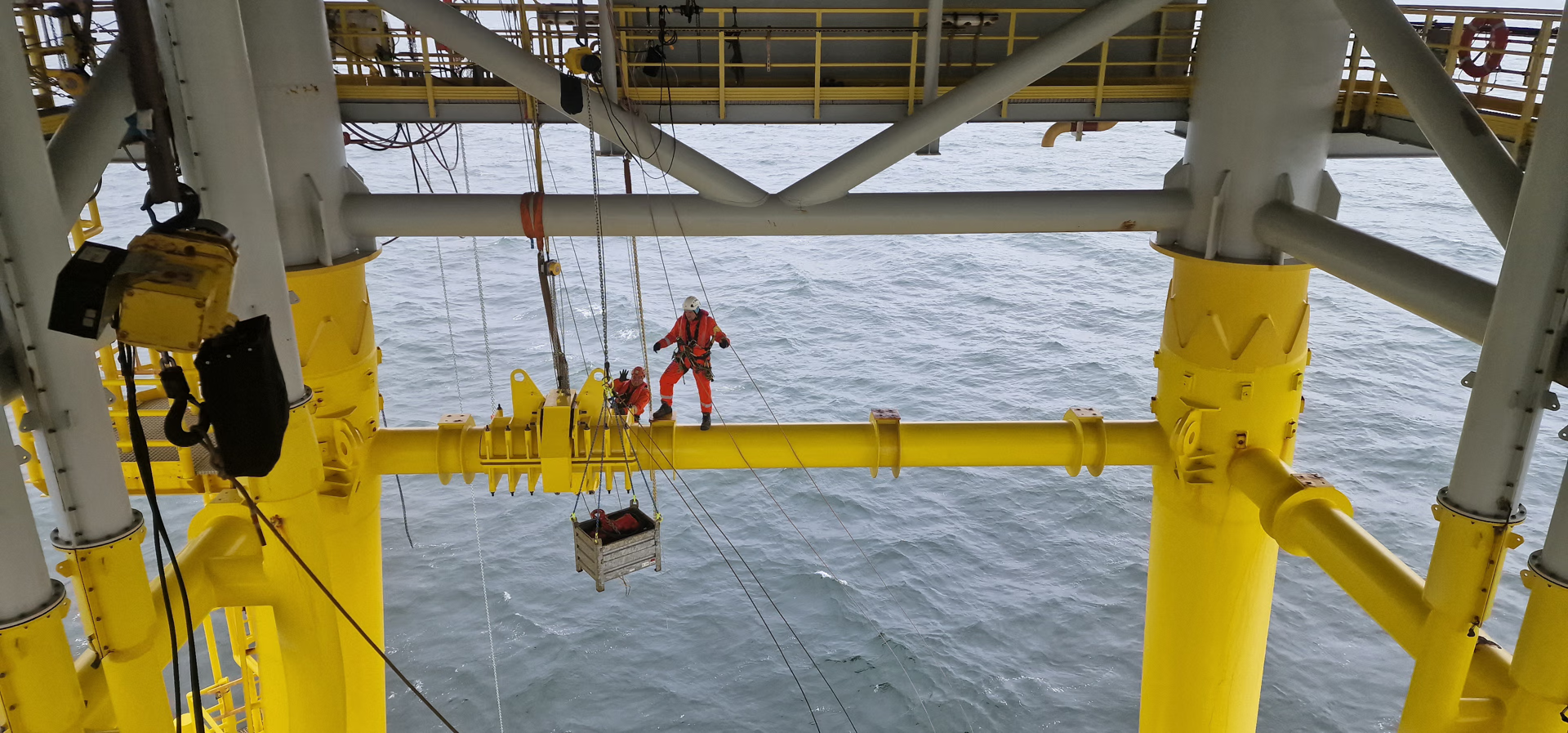
The project execution is divided into two distinct work scopes. Lot 1, managed by Conbit, covers the engineering, delivery, and installation of the ICCP system on the top side of the platform, including removal of the existing ICCP system. Lot 2 encompasses vessel operations, subsea installation, and cable laying activities, and is carried out by Bluestream. For the design and supply of the ICCP system, Conbit engaged Deepwater as a subcontractor. Conbit’s responsibilities are further divided into mechanical and electrical scopes. The mechanical scope includes the installation and pull-in of subsea anode power cables through J-tubes and the routing of the dunker and V-string cables through I-tubes. The electrical scope involves all installation activities inside the platform, including dismantling old systems and installing new cabinets, cables, and associated components.
Watch how we prepare and execute
Watch how we prepare and execute
Technical Solution
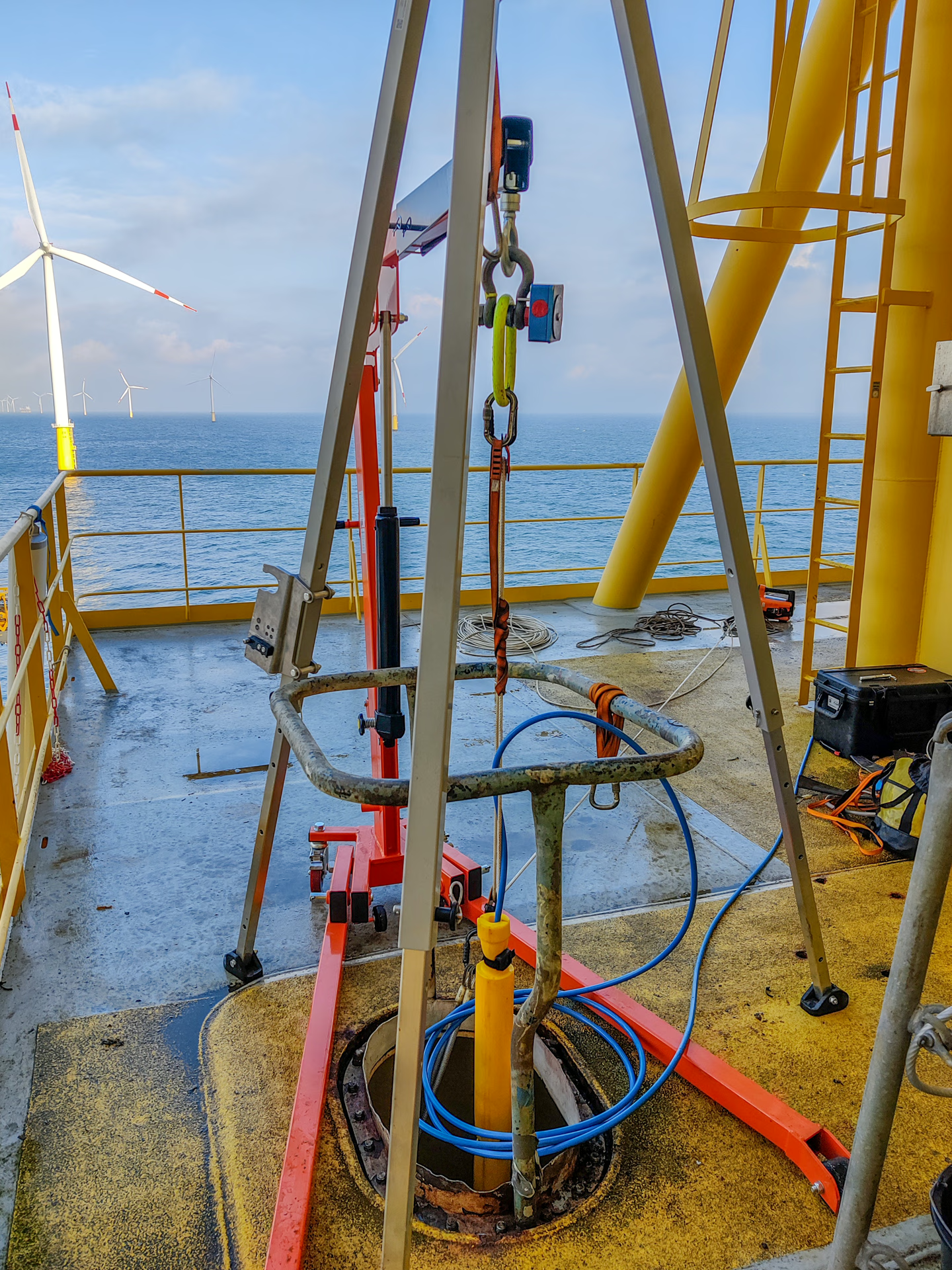
The implemented solution centers around the Cable Access Tower located on the north side of the platform. The primary lifting equipment used for cable pull-in operations is installed on the first floor of this structure. Thetopside ICCP system includes all equipment housed within the platform, while the subsea ICCP components fall under the responsibility of Lot 2. For the electrical installation, Conbit deployed a combination of in-house electricians and external specialists to ensure efficient execution of all works.
Key Challenges
Several challenges were encountered throughout the project. The mechanical operations required close coordination with divers performing subsea tasks, with communication routed indirectly via the dive master on the support vessel. This added complexity to operational alignment. On the electrical side, the removal of existing cables and installation of new systems required routing through predefined structural openings, necessitating careful planning and procurement of suitable materials. A critical overall constraint was the limited weather window for offshore subsea operations, which directly influenced the project schedule and completion timeline.
Equipment and Resources
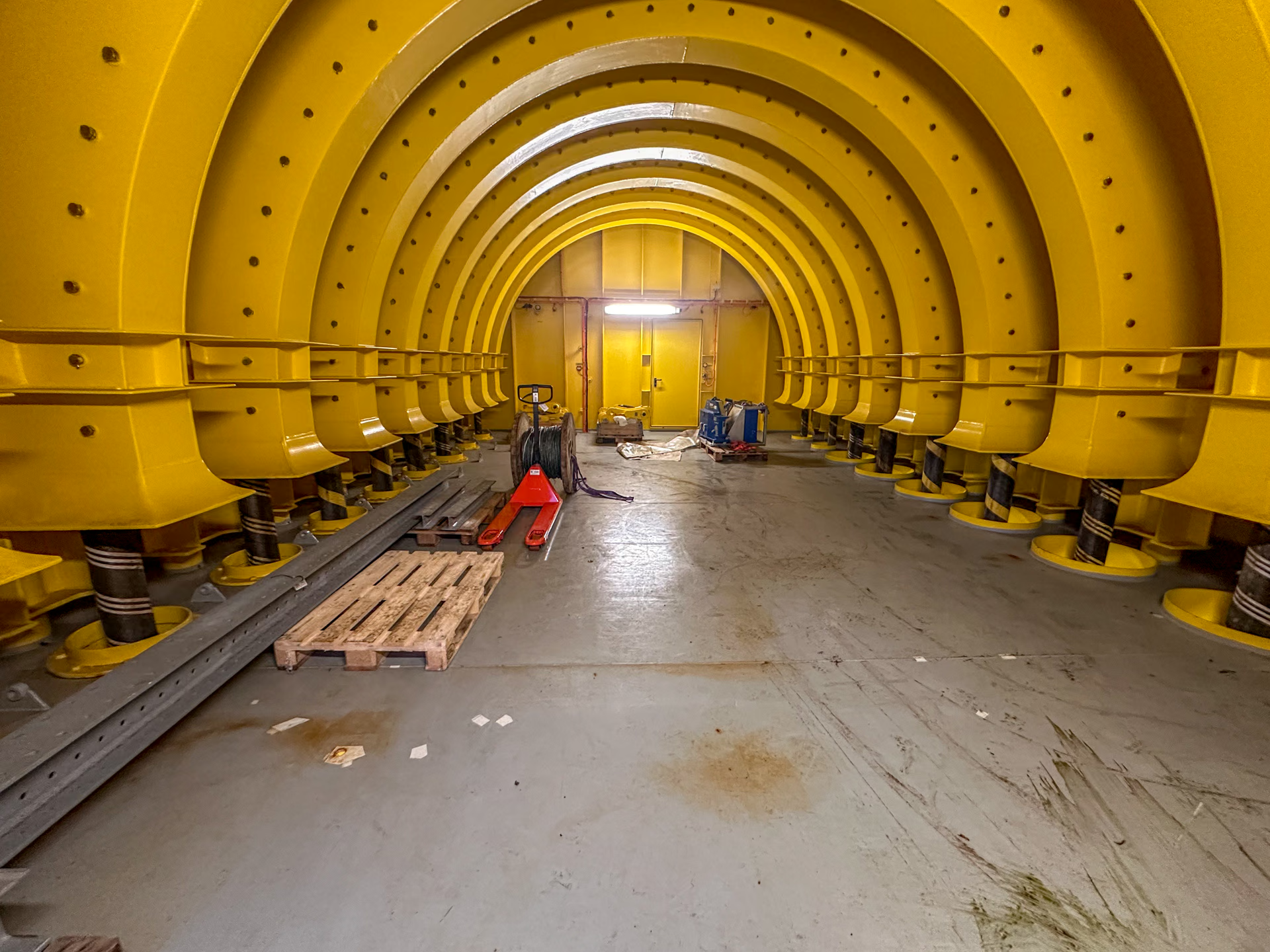
Specialized equipment was selected to meet project constraints. For cable pull-in activities, a compact wire rope pulling machine with a capacity of 6.4 metric tons was utilized, chosen specifically to accommodate restricted access through platform openings and installation within the Cable Access Tower. Electrical installation activities made use of movable scaffolding, engine hoists for handling power supply unit cabinets, and standard electrical tooling to facilitate safe and efficient execution.
Project Evaluation and Outcome
The project concluded with the successful completion of all topside installation works by Conbit and Deepwater. While the technical execution met high standards, communication between stakeholders and with offshore teams presented challenges that could be improved in future projects. Additionally, certain design aspects of the V-string and dunker cable systems required adjustments during execution, leading to additional effort. Despite these challenges, the final installation was completed to a high professional standard, seamlessly integrating with the existing platform systems to the extent that the client could not distinguish the new installation from the original infrastructure.
See how we got to work
No items found.
PRoject case study pdf
Download the PDF of this project case study here.
Thanks for leaving your email address. You can now download the requested case study
Oops! Something went wrong while submitting the form.
No items found.
Related Cases


Related Services
Maritime
Oil & Gas
Petrochemical
Wind
Lifeboat Davit Installation Services
Onshore & Offshore
Oil & Gas
Petrochemical
Wind
Maritime
Living Quarter Installation Services
Onshore & Offshore
Oil & Gas
Petrochemical
Wind
Maritime
Caisson Replacement Services
Onshore & Offshore
Maritime
Wind
Oil & Gas
Inspections
Onshore & Offshore
Oil & Gas
Petrochemical
Wind
Modification
Onshore & Offshore
Oil & Gas
Petrochemical
Wind
Maintenance
Onshore & Offshore
Oil & Gas
Wind
Petrochemical
Maritime
Installation
Onshore & Offshore
.png)
Contact
We're here to answer your questions
Do you have any technical questions, general enquiries or do you need additional information? Don’t hesitate to contact our experts. With their expertise and experience in lifting services, they will gladly help you.
You can contact us by phone or email. We’re looking forward to your questions!
You can contact us by phone or email. We’re looking forward to your questions!

