HomeServicesSpecialist services
BSEE Compliance: What 30 CFR §250.108 Means for Offshore Crane Safety
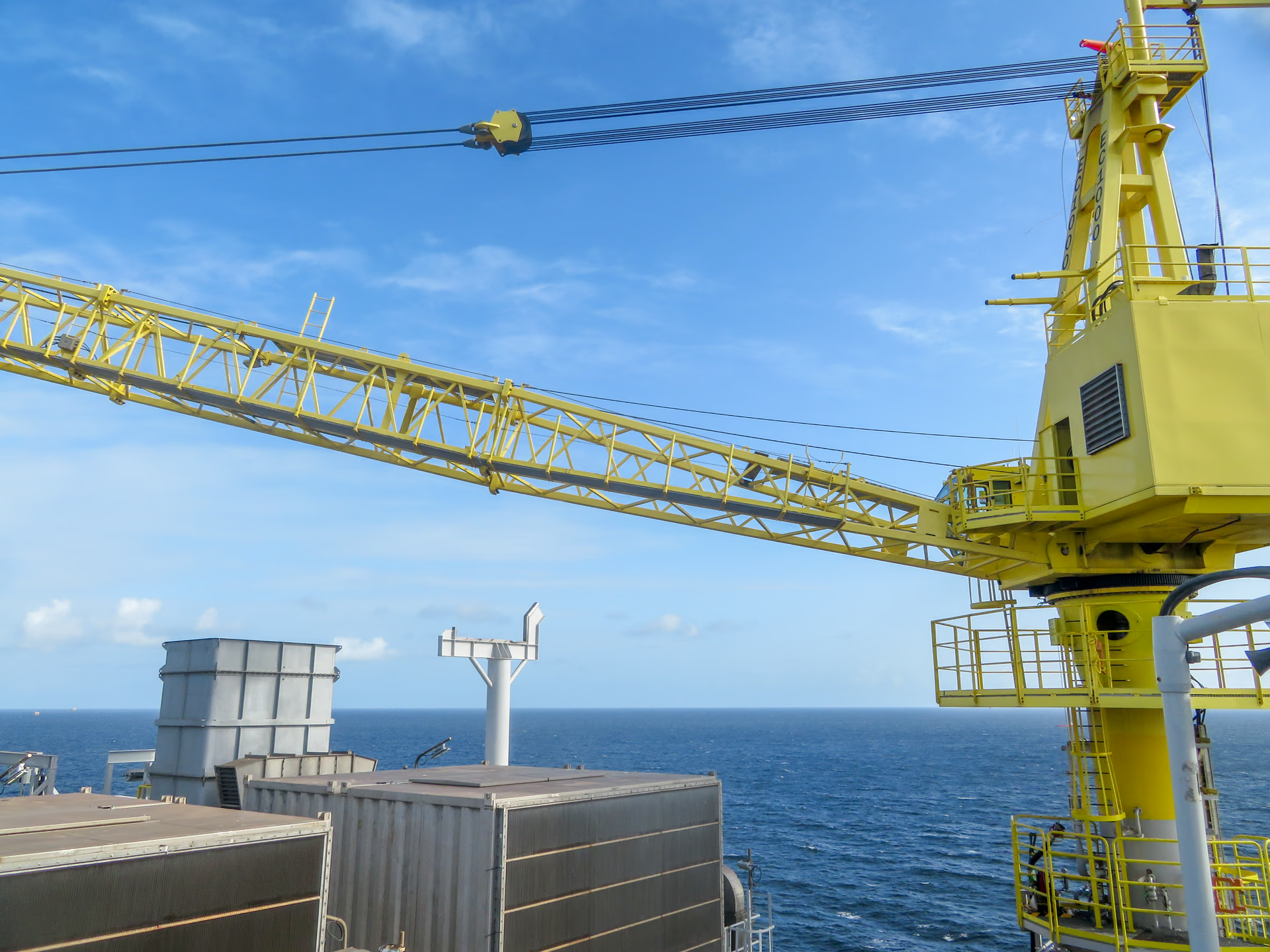
BSEE mandates strict safety standards for offshore cranes under 30 CFR §250.108. Conbit explains what these rules mean and how to comply effectively.

o Regular inspections and certifications.
o Documentation for lifting operations.
o Emergency preparedness and risk assessments.
Technical description: BSEE regulations under 30 CFR §250.108 set strict requirements for offshore crane safety in U.S. waters. Compliance involves scheduled inspections, proof load tests, and certification of lifting appliances to verify structural integrity and operational readiness. Detailed documentation, covering lift plans, permits-to-work, and maintenance records, is essential for demonstrating conformity during audits. Emergency preparedness, including contingency plans and risk assessments, ensures rapid response to unexpected failures or environmental hazards, reducing downtime and safeguarding personnel.
Conbit can assist: We provide full-spectrum compliance support, including audits, gap analyses, and procedure development aligned with BSEE standards. Our engineers prepare inspection schedules, execute load tests, and deliver digital reporting tools for real-time compliance tracking. We also train your teams on regulatory requirements and best practices, ensuring competency and readiness. By integrating compliance into daily operations, Conbit helps clients maintain safety, avoid penalties, and achieve audit success.
Next steps: Share your crane specifications, operational scope, and compliance objectives. Conbit will prepare a tailored roadmap with timelines, KPIs, and cost estimates for achieving full BSEE compliance. Contact us today to strengthen your offshore lifting operations and ensure regulatory conformity.
.avif)



.png)