
HomeServicesSpecialist services
Navigating U.S. Offshore Crane Regulations: OSHA and USCG Requirements Explained
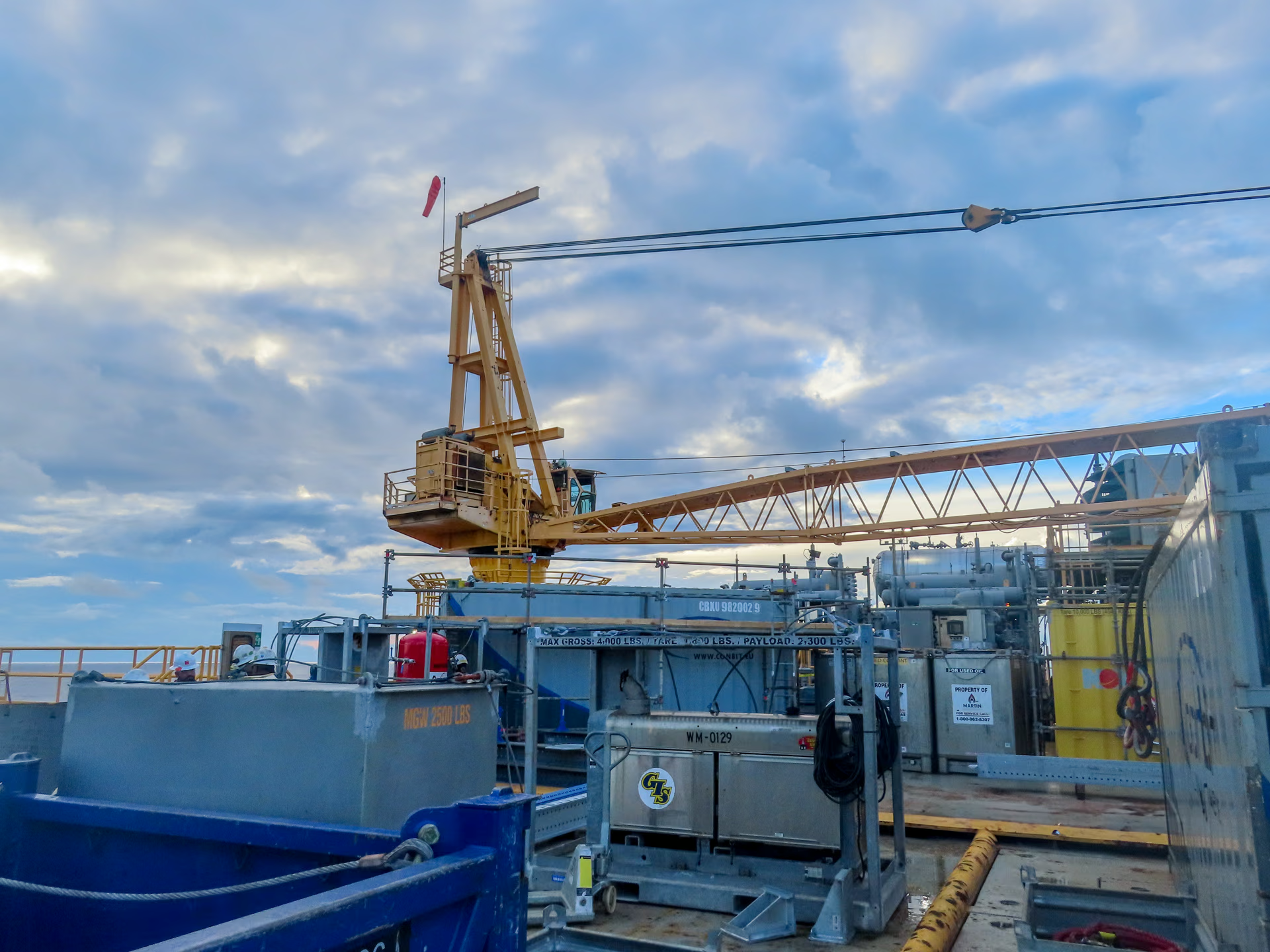
Operating cranes in U.S. waters requires strict compliance with OSHA and USCG standards. Conbit explains key requirements and how to meet them for safe and legal offshore lifting operations.
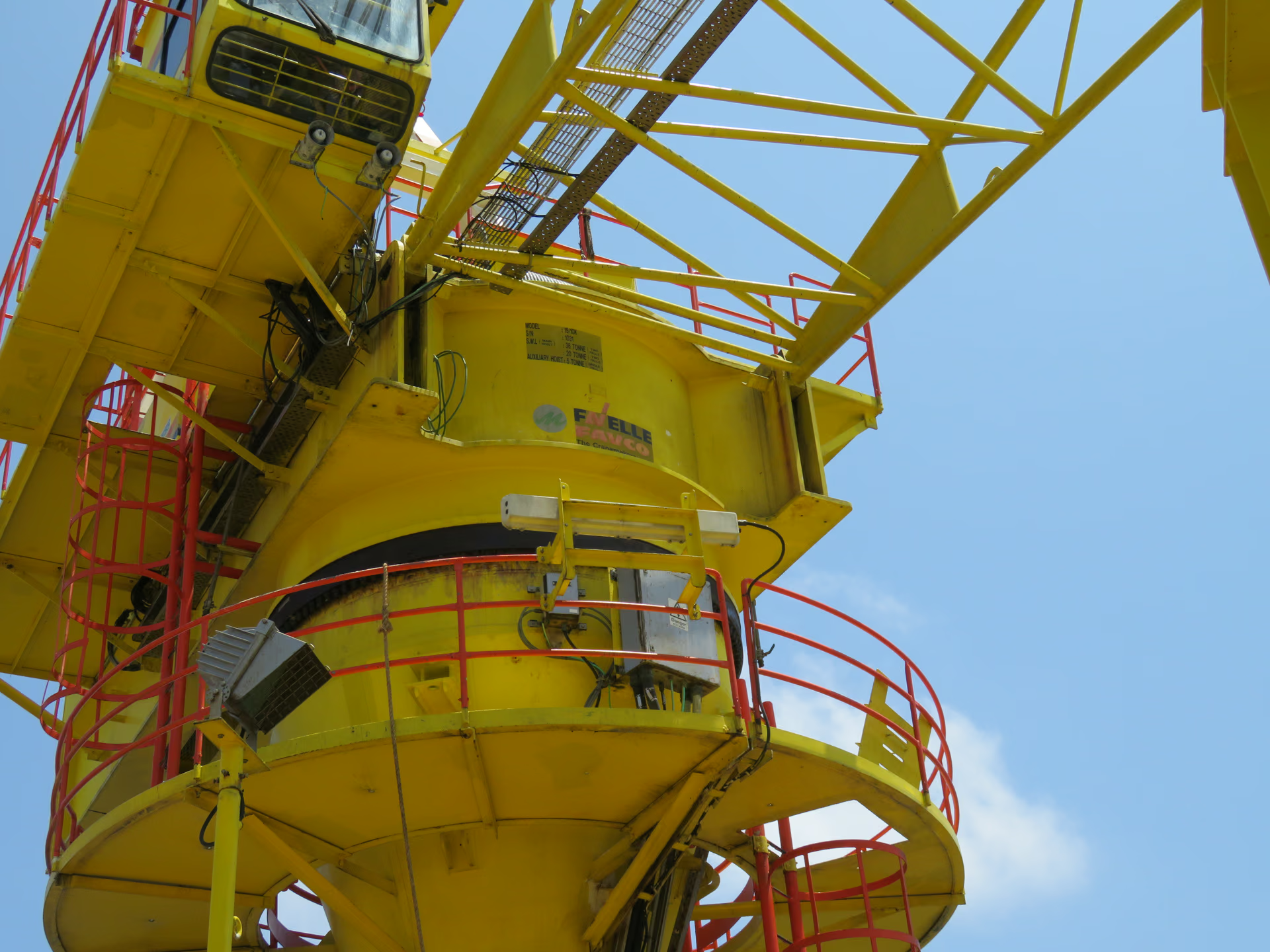
o OSHA 29 CFR standards for crane safety.
o USCG requirements for marine lifting appliances.
o Documentation and inspection protocols.
Technical description: Offshore crane operations in U.S. waters must comply with OSHA and USCG regulations to ensure safety and legal conformity. OSHA 29 CFR standards define requirements for crane operation, inspection, and personnel competency, while USCG rules address marine lifting appliances and shipboard equipment. Compliance involves maintaining thorough documentation, including permits-to-work, lift plans, and inspection records, as well as adhering to strict maintenance and certification schedules. Failure to meet these standards can result in penalties, operational delays, and increased risk of incidents.
Conbit can assist: We provide comprehensive compliance audits and engineering support tailored to U.S. regulatory frameworks. Our team benchmarks your operations against OSHA and USCG requirements, identifies gaps, and develops corrective action plans. We also deliver training programs to ensure personnel competency and implement digital compliance tools for real-time tracking of inspections and certifications. By integrating compliance into daily workflows, Conbit helps clients maintain audit readiness and operational safety.
Next steps: Share your crane specifications, operational scope, and compliance objectives. Conbit will prepare a customized roadmap that includes gap analysis, documentation templates, and training schedules. Contact us today to strengthen your offshore lifting operations and ensure full conformity with U.S. regulations.
.avif)


.png)