
You will receive the whitepaper within 10 minutes in your mailbox.
While waiting...
We invite you to visit our YouTube channel here.
Didn't receive anything?
Please send us an email and one of our team members will send it through to you.
Oops! Something went wrong while submitting the form.
Inspections
Service - Cable Handling Study of export cables at offshore substations
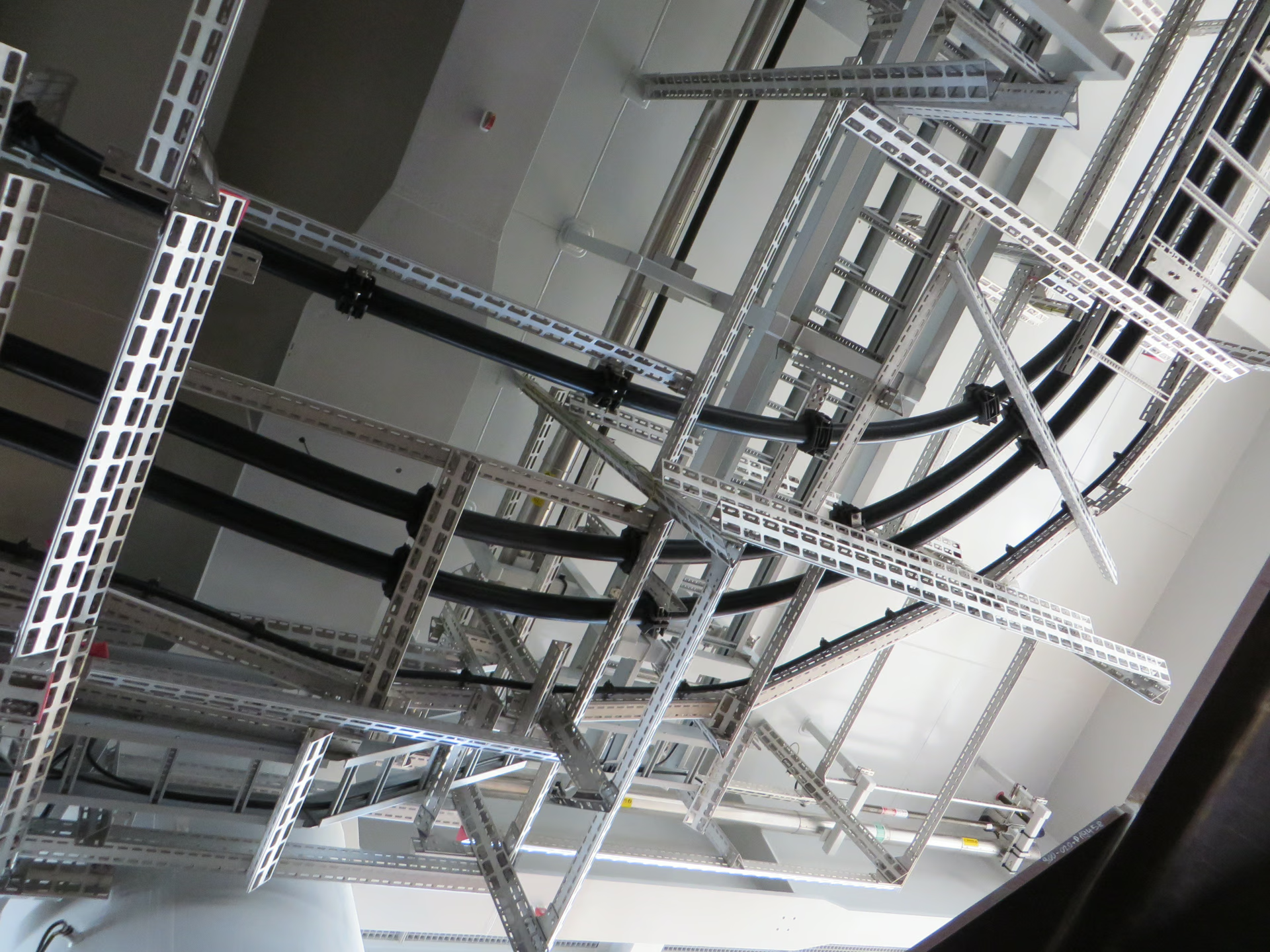
Plan Cable Handling for Safer Offshore Installation
Improper cable handling can lead to costly damage and downtime. Conbit’s cable handling study evaluates routing, bend radius, and installation methods to ensure safe and efficient offshore cable deployment. Our engineers provide actionable recommendations to minimize risk and extend cable life.
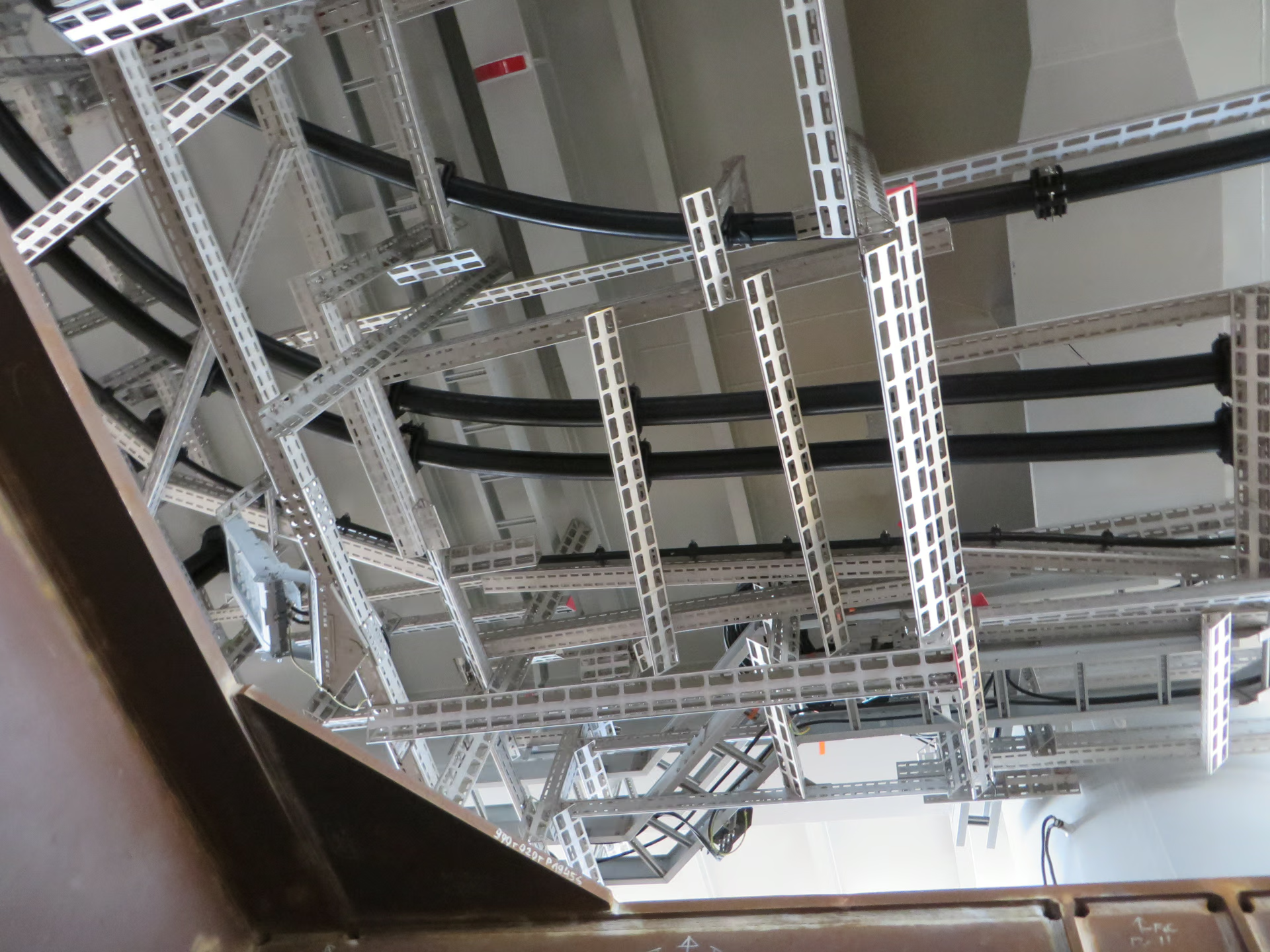
What the Cable Handling Study Covers
Technical description: A cable handling study is essential for ensuring safe and efficient offshore cable installation. The study evaluates cable properties such as stiffness, weight, and minimum bend radius, along with vessel layout and route constraints. It identifies potential hazards like excessive bending, crushing forces, and abrasion points during pull-in and laying operations. By simulating handling scenarios and stress points, engineers can optimize routing and select appropriate protection measures to prevent costly damage and downtime.
Step-by-step procedure:
1) Collect cable and project data, including specifications and environmental conditions.
2) Review vessel deck layout, route constraints, and equipment interfaces.
3) Simulate handling scenarios to identify stress concentrations and operational risks.
4) Recommend routing adjustments, protection hardware, and contingency plans.
Conbit can assist: We deliver comprehensive engineering studies and on-site support for cable installation worldwide. Our team provides detailed reports, method statements, and risk assessments, ensuring compliance with industry standards. We also supply specialized equipment such as modular handling frames, rollers, and tensioners to execute the plan safely. Digital documentation tools allow real-time progress tracking and audit-ready reporting.
Ready to proceed? Share cable specifications, vessel details, and project timeline. Conbit will prepare a tailored handling strategy with actionable recommendations and equipment lists. Contact us today for expert support on cable handling and other offshore engineering services.
How we work
Thank you! Your submission has been received!
Oops! Something went wrong while submitting the form.
Related Cases
No items found.


.png)
Contact
We're here to answer your questions
Do you have any technical questions, general enquiries or do you need additional information? Don’t hesitate to contact our experts. With their expertise and experience in lifting services, they will gladly help you.
You can contact us by phone or email. We’re looking forward to your questions!
You can contact us by phone or email. We’re looking forward to your questions!

