
You will receive the whitepaper within 10 minutes in your mailbox.
While waiting...
We invite you to visit our YouTube channel here.
Didn't receive anything?
Please send us an email and one of our team members will send it through to you.
Oops! Something went wrong while submitting the form.
Maintenance
Inspections
Installation
Modification
Service - Operating Cranes in Harsh Offshore Conditions: Lessons Learned
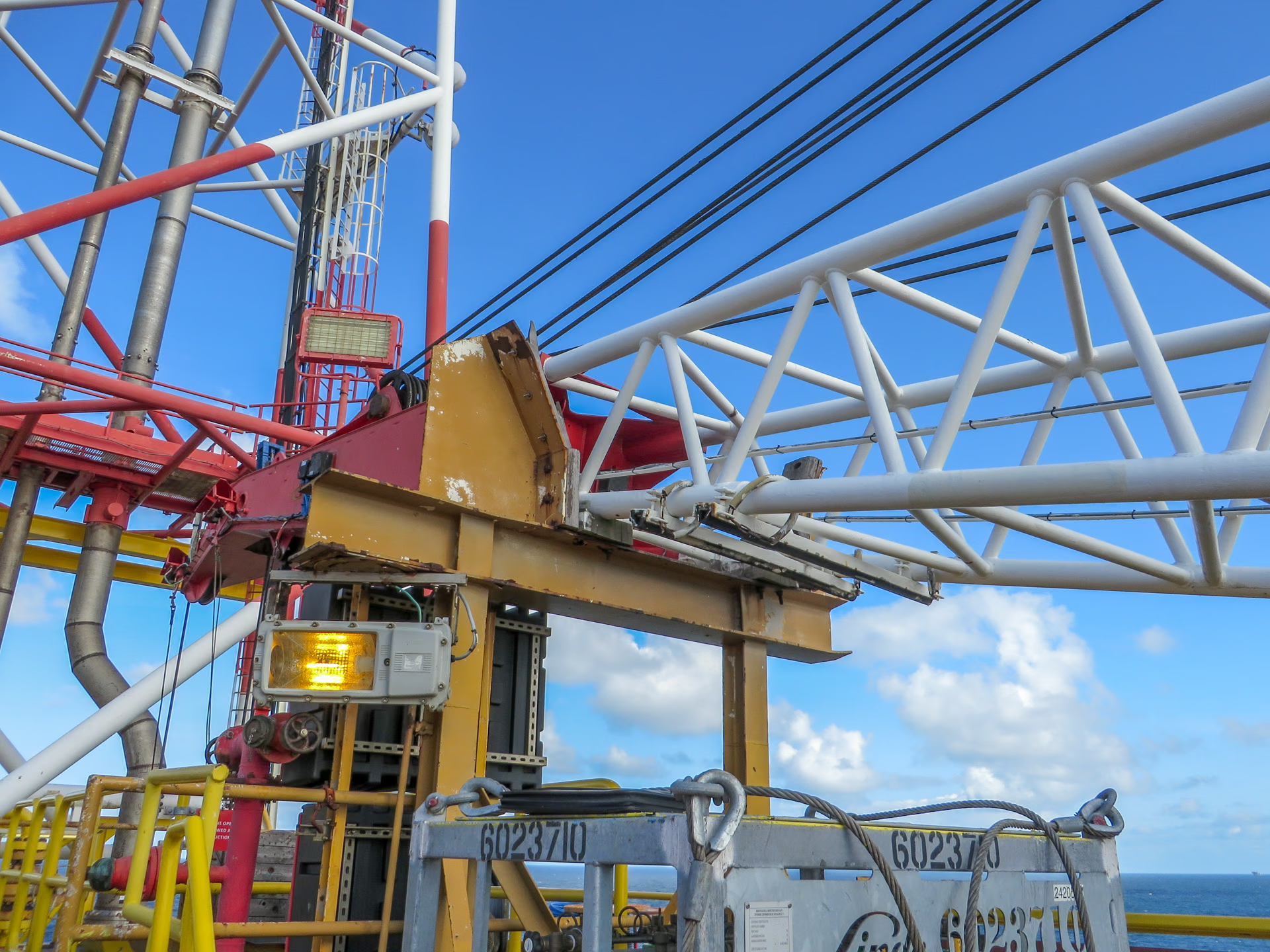
Lessons from Operating Cranes in Harsh Conditions
Extreme offshore environments demand robust strategies for crane operations. Conbit shares insights and best practices to maintain safety and reliability under challenging conditions.
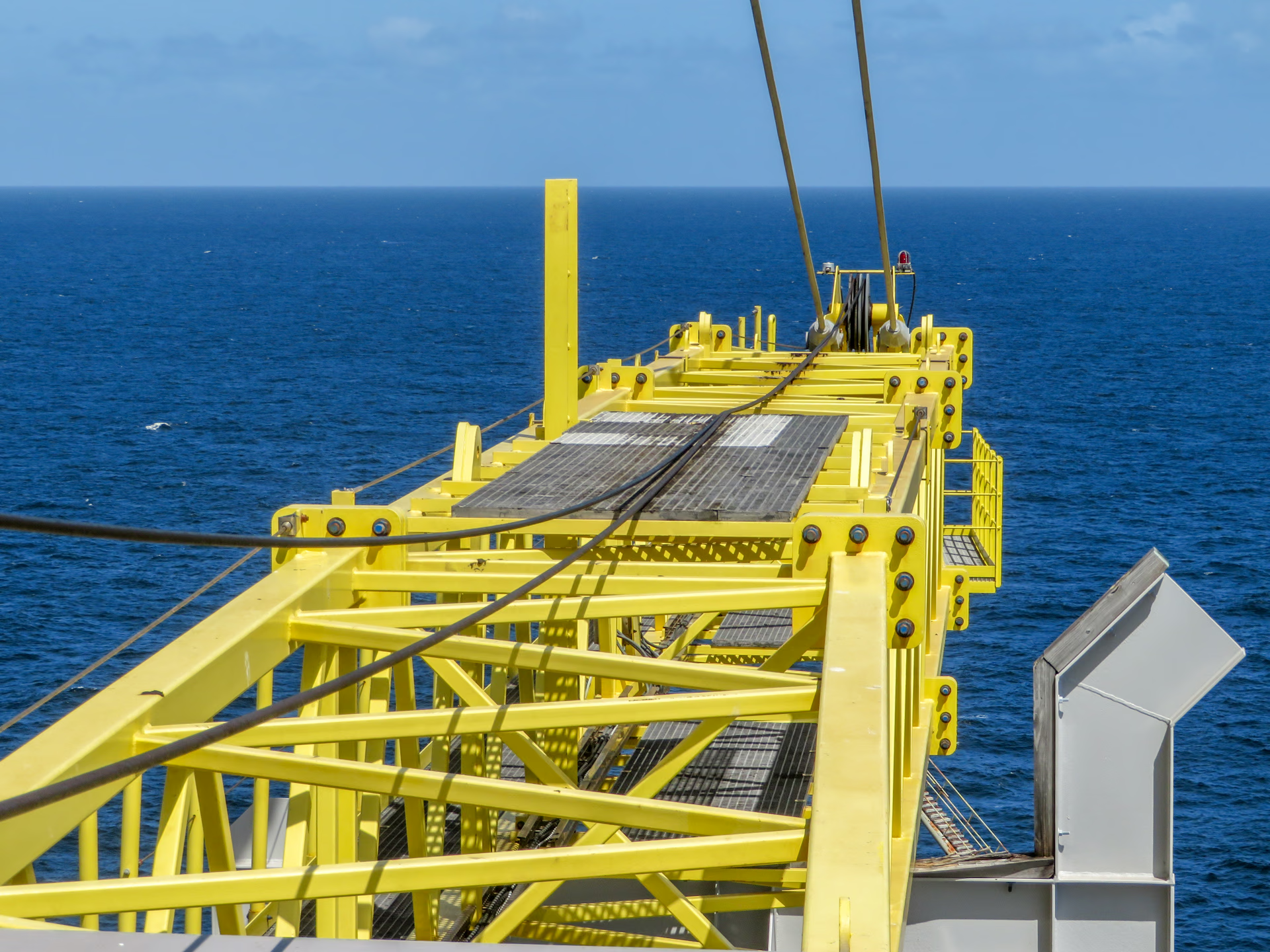
Key Lessons Learned
o Importance of preventive maintenance.
o Weather monitoring and operational limits.
o Emergency response planning.
Technical description: Operating cranes in harsh offshore conditions requires robust planning and adaptive strategies. Preventive maintenance ensures critical components, such as wire ropes, hydraulic systems, and slew bearings, are inspected and serviced before exposure to extreme weather. Continuous weather monitoring and adherence to operational limits reduce risks during lifting operations, while emergency response planning prepares teams for rapid action when conditions deteriorate unexpectedly.
Conbit can assist: We design and execute offshore crane operations with resilience in mind. Our engineers develop lift plans that incorporate environmental constraints, contingency rigging options, and modular lifting systems for low-headroom or restricted spaces. We also provide real-time support during campaigns, ensuring compliance with safety standards and minimizing downtime. Training programs and digital documentation tools help crews anticipate hazards and respond effectively to changing conditions.
Next steps: Share details about your crane type, operating environment, and seasonal challenges. Conbit will prepare a tailored strategy that includes preventive maintenance schedules, weather-based operational envelopes, and emergency response protocols. Contact us today to strengthen your offshore lifting operations and safeguard project timelines under the toughest conditions.
How we work
Thank you! Your submission has been received!
Oops! Something went wrong while submitting the form.
Related Cases
No items found.
.png)
Contact
We're here to answer your questions
Do you have any technical questions, general enquiries or do you need additional information? Don’t hesitate to contact our experts. With their expertise and experience in lifting services, they will gladly help you.
You can contact us by phone or email. We’re looking forward to your questions!
You can contact us by phone or email. We’re looking forward to your questions!
.avif)
