
You will receive the whitepaper within 10 minutes in your mailbox.
While waiting...
We invite you to visit our YouTube channel here.
Didn't receive anything?
Please send us an email and one of our team members will send it through to you.
Oops! Something went wrong while submitting the form.
Decommissioning
Inspections
Installation
Maintenance
Modification
Service - A Day in the Life of an Offshore Crane Technician
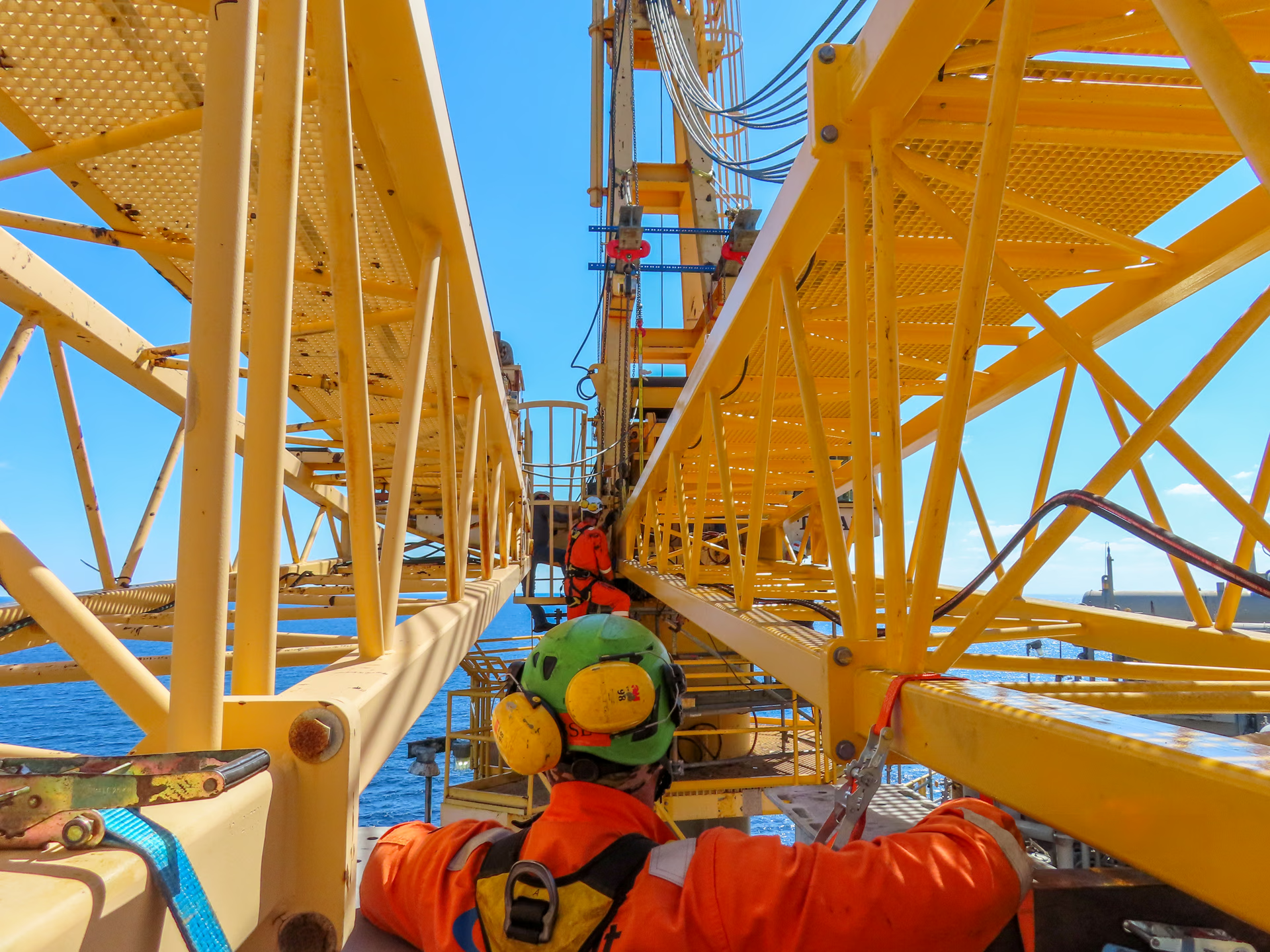
Inside the World of Offshore Crane Maintenance
Offshore crane technicians face challenging conditions and complex tasks daily. From gearbox replacements to load testing, their work ensures safe lifting operations on platforms and vessels. Here’s a glimpse into their routine and responsibilities.
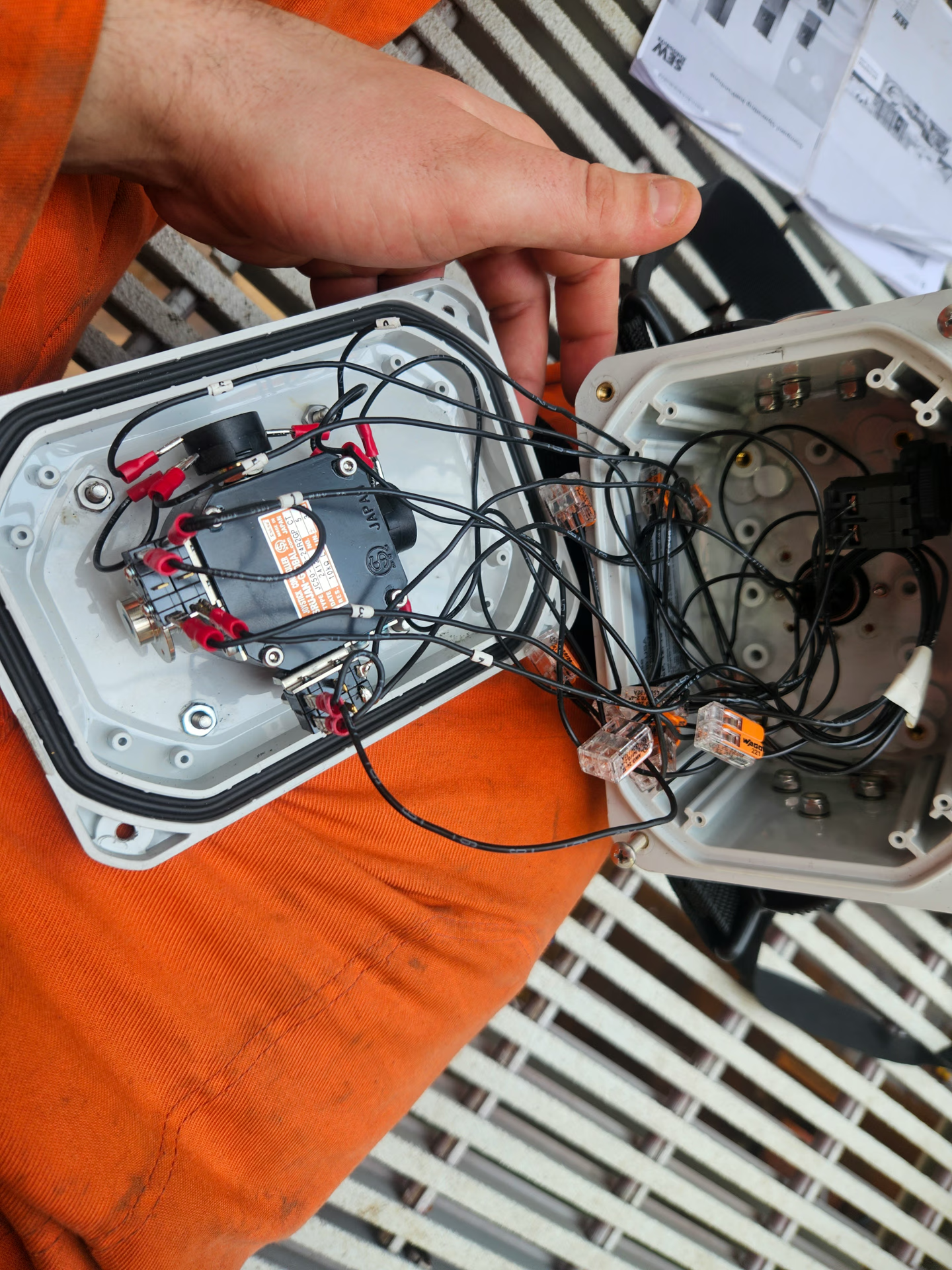
What Does a Typical Day Look Like?
Technicians start with safety briefings and permit checks, followed by inspections and planned maintenance. Tasks include troubleshooting hydraulic systems, replacing components, and performing functional tests. Every job demands precision and adherence to safety standards. Offshore conditions often require flexibility, weather changes, logistical constraints, and evolving scopes mean technicians must adapt quickly while maintaining compliance and efficiency.
Technical description: A typical day involves rigorous planning and execution. After toolbox talks and hazard identification, technicians verify isolation points, inspect rigging, and confirm calibration of tools. Work may include gearbox alignment, slew bearing checks, wire rope MRT, and hydraulic system diagnostics. Documentation is continuous, capturing measurements, torque values, and photographic evidence for QA/QC and audit readiness.
Conbit can assist: We provide highly skilled technicians supported by engineering teams for complex offshore crane maintenance. Our services include method statement preparation, risk assessments, and contingency planning to minimize downtime. We also offer digital reporting tools for real-time progress tracking and compliance documentation. When major repairs are required, Conbit can mobilize temporary lifting systems to maintain operational continuity.
Next steps: Share your crane specifications, maintenance history, and operational challenges. Conbit will prepare a tailored maintenance plan with timelines, KPIs, and resource allocation. Contact us today to ensure your offshore lifting assets remain safe, reliable, and compliant under all conditions.
How we work
Thank you! Your submission has been received!
Oops! Something went wrong while submitting the form.
Related Cases
No items found.

.png)
Contact
We're here to answer your questions
Do you have any technical questions, general enquiries or do you need additional information? Don’t hesitate to contact our experts. With their expertise and experience in lifting services, they will gladly help you.
You can contact us by phone or email. We’re looking forward to your questions!
You can contact us by phone or email. We’re looking forward to your questions!
.avif)
